Extend the gardening season with simple adjustments to care and layout

Extend the gardening season with simple adjustments to care and layout
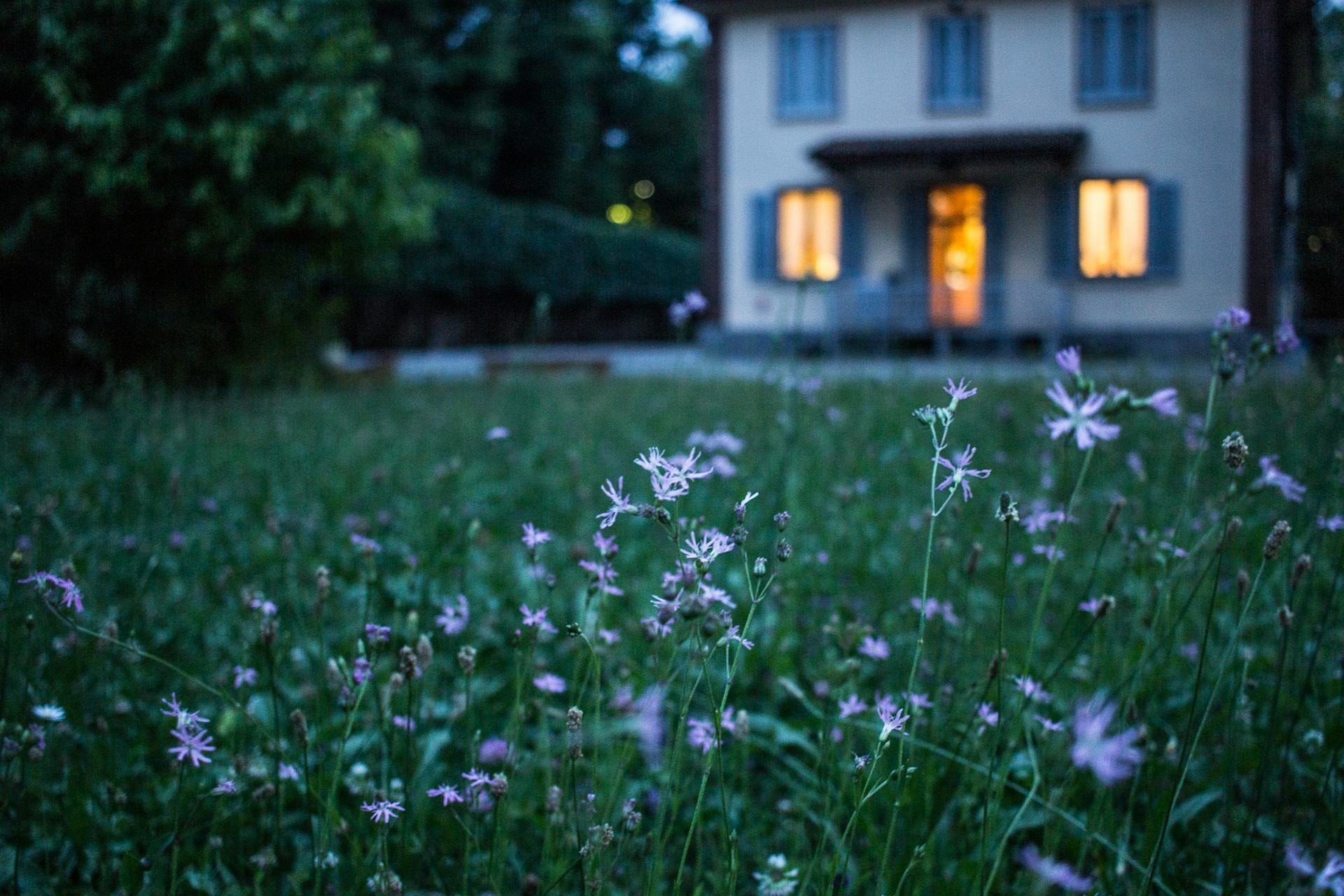
As summer fades and the days grow shorter, it’s easy to assume the gardening season is over. But with a few thoughtful adjustments to both care and layout, you can enjoy your garden well into autumn – and even get a head start on spring. It’s all about creating microclimates, choosing the right materials, and making small changes that have a big impact on both plants and people.
Create shelter and warm pockets
Wind and cold are the main challenges as temperatures drop. By creating shelter, you can extend the season significantly. Use fences, trellises, or hedges as natural windbreaks – they trap warmth and protect delicate plants.
A greenhouse or small garden room can serve as a cosy retreat where you can enjoy the garden even on chilly days. If space is limited, a simple glass or polycarbonate screen on the patio can provide similar protection and warmth.
Choose plants that thrive in the shoulder seasons
Many plants will keep flowering or producing crops well into autumn if given a little help. Brassicas such as kale, cabbage, and Brussels sprouts tolerate cold, while herbs like thyme and rosemary can survive if kept sheltered.
Consider adding late-summer and autumn-flowering plants such as asters, sedums, and Japanese anemones. They bring colour and life when much else is fading. In containers, replace summer bedding with heathers, ornamental grasses, and small evergreens to keep the garden lively through winter.
Use lighting and textiles to extend outdoor living
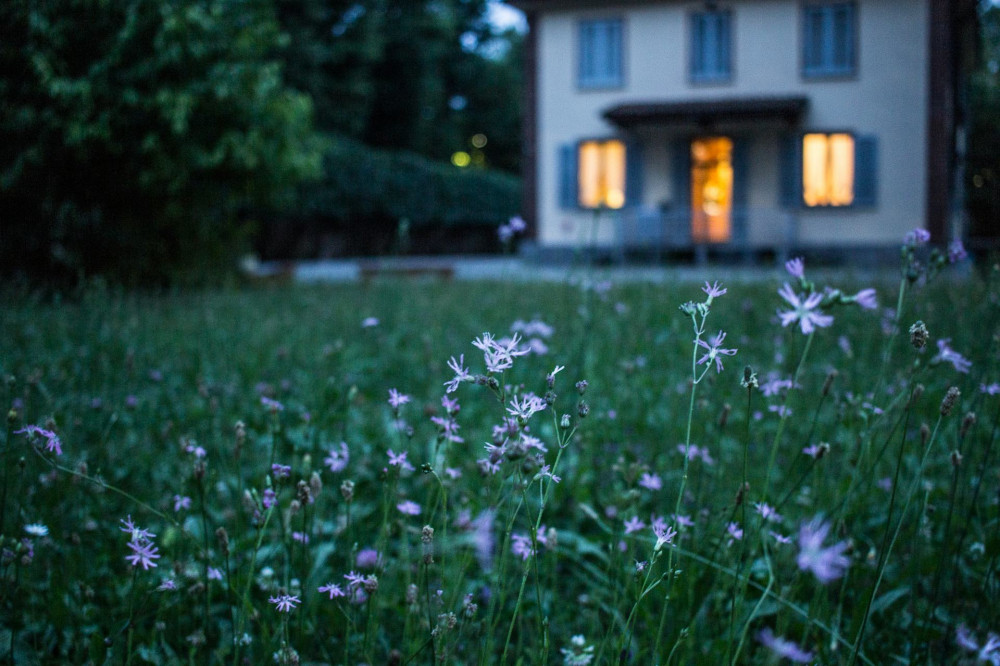
As darkness falls earlier, lighting can make a huge difference. Solar lights, fairy lights, and lanterns create atmosphere and make it possible to stay outside longer. Opt for warm-toned light rather than bright white – it gives a welcoming, relaxed feel.
Blankets, cushions, and throws on garden furniture make it comfortable to sit outside even as the temperature drops. Combine them with a patio heater or a small fire pit, and you’ll have an outdoor space that’s inviting almost all year round.
Adjust your care routine for the season
Autumn is a time when the garden needs a little extra attention. Clear fallen leaves from the lawn, but leave some in the borders – they protect the soil and act as natural mulch. Avoid cutting back all perennials; their seed heads add structure and help shield plants from frost.
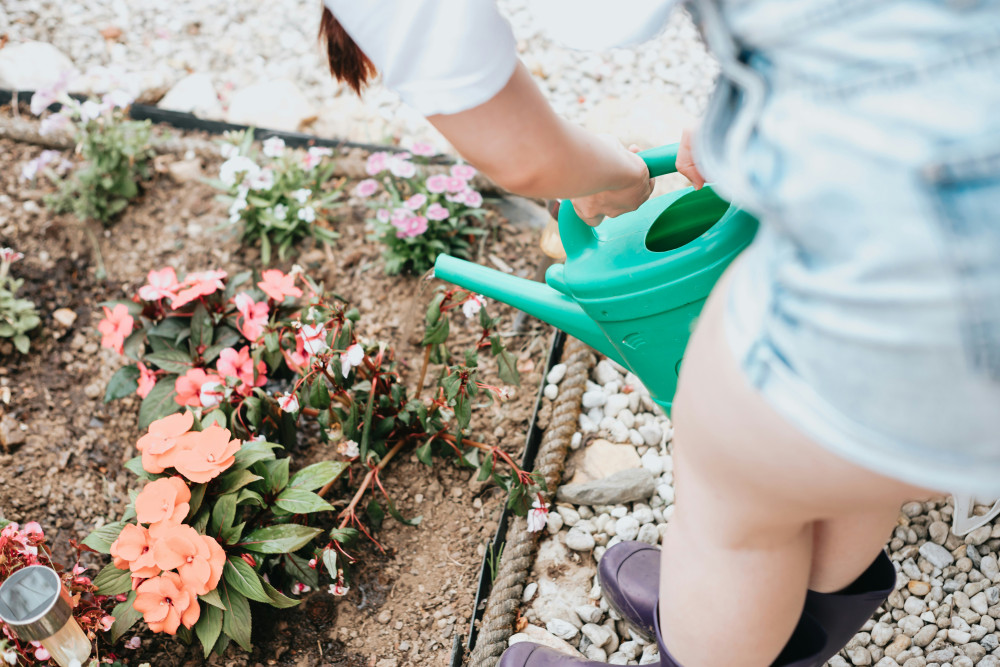
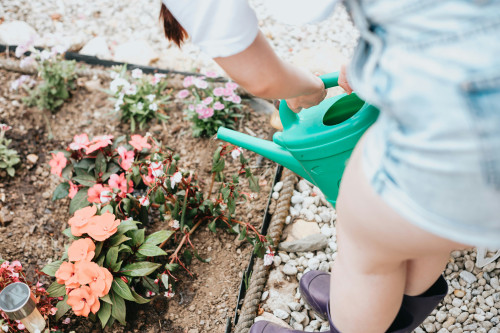
Keep watering as long as the ground isn’t frozen. Many people assume autumn is a wet season, but evergreens in particular need moisture to get through winter. Add a layer of compost or bark mulch around roots to retain warmth and moisture.
Design flexible garden zones
A garden that works across several seasons needs flexibility. Consider creating small zones with different functions: a sunny corner for spring and autumn, a shaded area for summer, and a covered spot for rainy days.
Moveable pots, lightweight furniture, and mobile planters make it easy to adapt the garden to the weather. That way, you can quickly create a cosy corner whether the sun is shining or the wind is blowing.
Læs også:
Think in terms of year-round enjoyment
Extending the gardening season isn’t just about plants – it’s about creating a year-round experience. The sound of rain on a greenhouse roof, the scent of damp soil, and the sight of birds foraging can be just as rewarding as summer’s blooms.
By planning your garden with all seasons in mind, you’ll have a space that evolves and delights throughout the year – whether you’re sipping coffee in the spring sunshine or wrapped in a blanket under autumn’s golden light.
Læs også: