The Fundamentals of Flavour: Learn to Balance Sweet, Sour, Salty and Bitter in Your Cooking

The Fundamentals of Flavour: Learn to Balance Sweet, Sour, Salty and Bitter in Your Cooking
Understanding the fundamentals of flavour is the key to cooking that truly delights the palate. Whether you’re preparing a simple soup or an elaborate dinner, it all comes down to balance – the interplay between the four basic tastes: sweet, sour, salty and bitter. When these elements work together, they enhance one another and bring depth and harmony to your food. Here’s how to use these building blocks consciously in your everyday cooking.
The Four Basic Tastes – and What They Bring to a Dish
Sweet – warmth and roundness
Sweetness adds comfort and smoothness to a dish. It can come from sugar, honey, fruit, root vegetables like carrots or parsnips, or even from caramelised onions. Sweetness softens acidity and bitterness, rounding off flavours so they feel more complete. In savoury cooking, a touch of sweetness can balance sharp or spicy notes – think of adding a drizzle of honey to a mustard dressing or a spoonful of chutney alongside a strong cheese.
Sour – freshness and lift
Acidity brings brightness and energy to food. It can come from citrus fruits, vinegar, wine, yoghurt or fermented ingredients like pickles. Sourness cuts through richness and sweetness, making dishes feel lighter and more vibrant. Without it, food can taste flat or heavy. Try adding a squeeze of lemon to a creamy risotto or a splash of vinegar to roasted vegetables – you’ll notice how the flavours come alive.
Salty – enhancer and unifier
Salt is perhaps the most powerful flavour enhancer of all. It amplifies sweetness, tames bitterness and ties everything together. But it must be used with care – too little and your dish tastes dull; too much and everything else disappears. Season gradually as you cook, tasting as you go. Remember that different salts – from fine table salt to flaky sea salt or soy sauce – each bring their own character and intensity.
Bitter – depth and contrast
Bitterness is the most challenging of the basic tastes, but it’s also the one that gives food complexity. You’ll find it in coffee, dark chocolate, kale, chicory and many herbs. A hint of bitterness can provide contrast to sweetness and richness, making a dish more interesting. The key is moderation – too much bitterness can be harsh, but in small amounts it adds sophistication and balance.
Finding the Right Balance
Balancing flavour isn’t about making everything equally sweet, sour, salty and bitter – it’s about harmony. A good rule of thumb is to taste as you cook and adjust in small steps.
- If a dish is too sweet, add acidity (like lemon juice or vinegar) or a pinch of salt.
- If it’s too sour, a touch of sweetness or richness (like cream or butter) will soften it.
- If it’s too salty, balance it with a little acid or sweetness – or dilute with liquid.
- If it’s too bitter, sweetness or salt can smooth out the sharp edge.
Taste is personal, so trust your own palate. The goal is for the dish to feel balanced and enjoyable to eat.
Everyday Examples
- Tomato sauce: Tomatoes are naturally acidic, so a pinch of sugar or grated carrot can round out the flavour. A little salt ties it all together.
- Salad dressing: A classic vinaigrette combines acid (vinegar or lemon), fat (oil), sweetness (honey or mustard) and salt. Adjust the proportions until it tastes bright and balanced.
- Roast meat or vegetables: Marinades that mix sweet (honey), sour (vinegar or citrus), salty (soy sauce) and bitter (toasted spices) create depth and complexity.
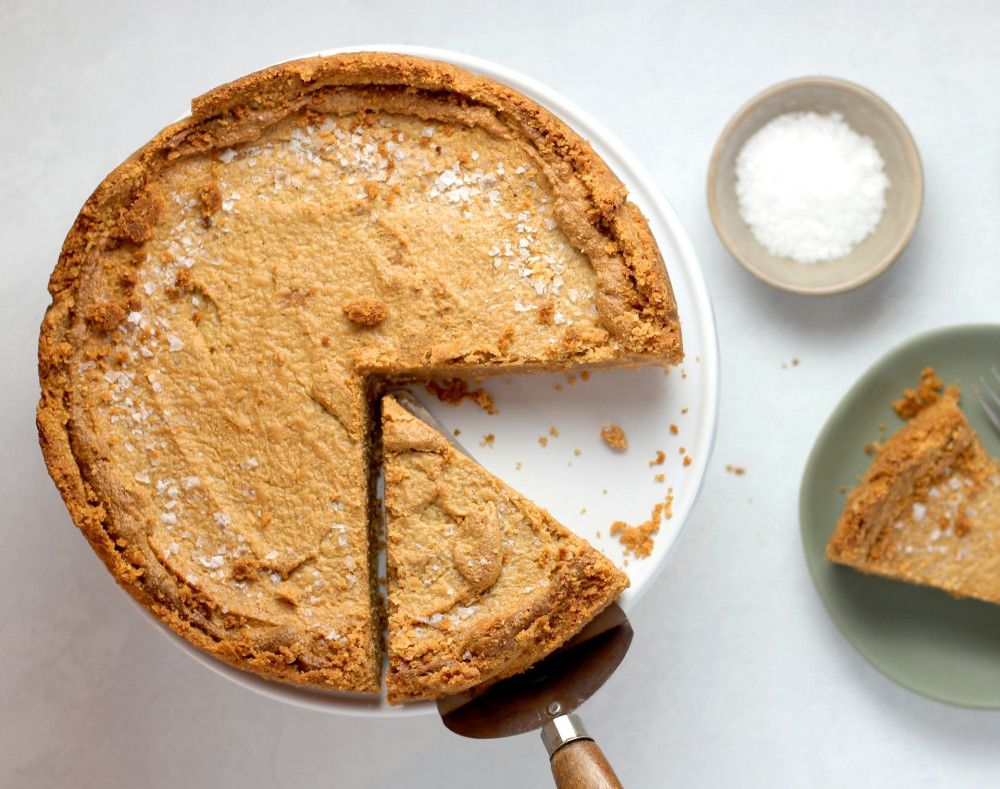
- Desserts: Even in sweet dishes, a touch of salt is essential – it enhances sweetness and adds contrast. Try a sprinkle of sea salt on chocolate or caramel for a more rounded flavour.
Læs også:
Practise Tasting with Intention
A great way to train your palate is to taste ingredients individually and notice how they interact. Make small adjustments and observe how a drop of acid or a pinch of salt changes the overall impression. The more you practise, the better you’ll become at recognising what a dish needs.
Mastering the fundamentals of flavour isn’t about following strict rules – it’s about developing intuition. Once you learn to balance sweet, sour, salty and bitter, you’ll have the freedom to play with taste and create food that surprises and delights every time.
Læs også: