Find inspiration in other kitchens – without losing your own style

Find inspiration in other kitchens – without losing your own style
Letting yourself be inspired by other cuisines is one of the most rewarding ways to grow as a cook. New flavours, techniques and ingredients can open up whole new worlds – but it can also be a challenge to keep hold of your own culinary identity in the process. How do you strike the balance between learning from others and staying true to what makes your cooking personal? Here’s how to draw inspiration from around the world without losing your own style in the kitchen.
See other cuisines as a conversation – not a recipe
When you explore food from other cultures, it’s not about copying, but about understanding. What makes Japanese cooking so clean and precise? Why does Middle Eastern food use so many spices and fresh herbs? And how does Italian cuisine create such depth with just a few simple ingredients?
By asking those questions, you learn the principles behind the dishes – not just the recipes. That gives you the freedom to bring elements home and use them in your own way. You might be inspired by the Korean balance of sweet, sour and spicy, but apply it to a British dish using local produce. That’s where the magic happens.
Start with small steps
You don’t need to cook a full Thai banquet to be inspired by Asia. Often, it’s the small adjustments that make the biggest difference:
- Spices and marinades: Try adding cumin, coriander or sumac to your everyday dishes. They can bring a new dimension to something as simple as roast chicken or vegetables.
- Cooking methods: Borrow techniques like steaming, stir-frying or fermenting – they can transform both flavour and texture.
- Serving and presentation: Many cultures emphasise how food is shared and presented. Try serving several small dishes instead of one large one – it changes the rhythm of the meal and encourages conversation.
Small experiments make it easier to discover what suits your taste and style, without losing your footing in your own kitchen.
Læs også:
Keep your own identity
British cooking has its own strengths: comfort, simplicity and a deep respect for seasonal ingredients. When you draw inspiration from abroad, think of it as a complement, not a replacement. Ask yourself: how can I use this idea with what I have here at home?
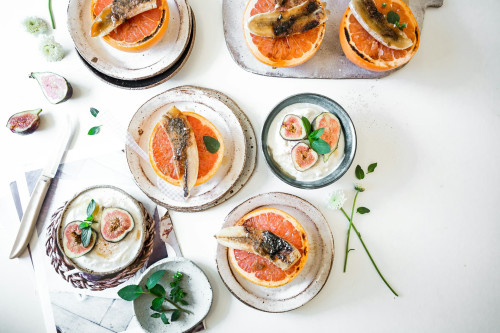
For example, you might combine British produce with Asian flavours – grilled mackerel with ginger and spring onions, or roasted root vegetables with miso and honey. The result feels both new and familiar.
Keeping your style doesn’t mean resisting change; it means letting new ideas grow from what you already know and love.
Learn from traditions – and break them consciously
Every cuisine is built on traditions shaped by climate, culture and history. When you understand why a dish is made a certain way, you can better decide when to follow the rule – and when to bend it.
If you’re making a classic French sauce, you might stick with butter and wine as in the original – or you could swap them for cold-pressed rapeseed oil and cider for a lighter, more local twist. It’s in those conscious choices that your own style becomes clear.
Make inspiration a habit
Being inspired takes curiosity. Read cookbooks from other countries, watch food programmes, or visit restaurants that do something completely different from what you usually eat. But most importantly: taste, smell and try for yourself.
Make it a habit to experiment once a week – perhaps with a new spice blend, an unfamiliar vegetable or a different cooking method. Over time, you’ll find your food becoming more varied, and your personal style will naturally evolve to include both the local and the global.
Your style is the sum of your experiences
Cooking is a journey, not a destination. Every time you try something new, you expand your repertoire – but you also bring yourself along for the ride. Your style isn’t something you lose; it’s something that grows when you meet new ideas with openness and respect.
So next time you’re in the kitchen and thinking about adding a touch of chilli to your shepherd’s pie or sprinkling pomegranate over your salad, go for it. That’s how you find your own voice in a world full of flavour.
Læs også: