Small snacks, big difference: How to eat right before and after cycling training

Small snacks, big difference: How to eat right before and after cycling training
Whether you ride for fitness, train for a race, or simply enjoy weekend rides through the countryside, what you eat around your training can make a huge difference. It’s not just about big meals – the small snacks before and after your ride can determine how strong you feel on the bike and how quickly you recover afterwards. Here’s a guide to fuelling your cycling sessions the smart way.
Before your ride: Fuel up without feeling heavy
When you get on the bike, your body needs enough energy to perform, but balance is key. Too much food can make you sluggish, while too little can leave you running out of steam halfway through.
2–3 hours before: A balanced, light meal
Aim for a meal that includes carbohydrates, protein, and a small amount of healthy fat. Good options include porridge with fruit and seeds, wholegrain toast with peanut butter, or Greek yoghurt with oats and berries. The carbs provide energy, while the protein helps stabilise blood sugar and prepare your muscles for work.
30–60 minutes before: A quick energy boost
If you’re heading out early or haven’t had time for a full meal, a small snack can make all the difference. A banana, an oat bar, or a slice of toast with honey gives you quick energy without upsetting your stomach. Avoid heavy or greasy foods – they take too long to digest and can make you feel uncomfortable on the bike.
Don’t forget hydration
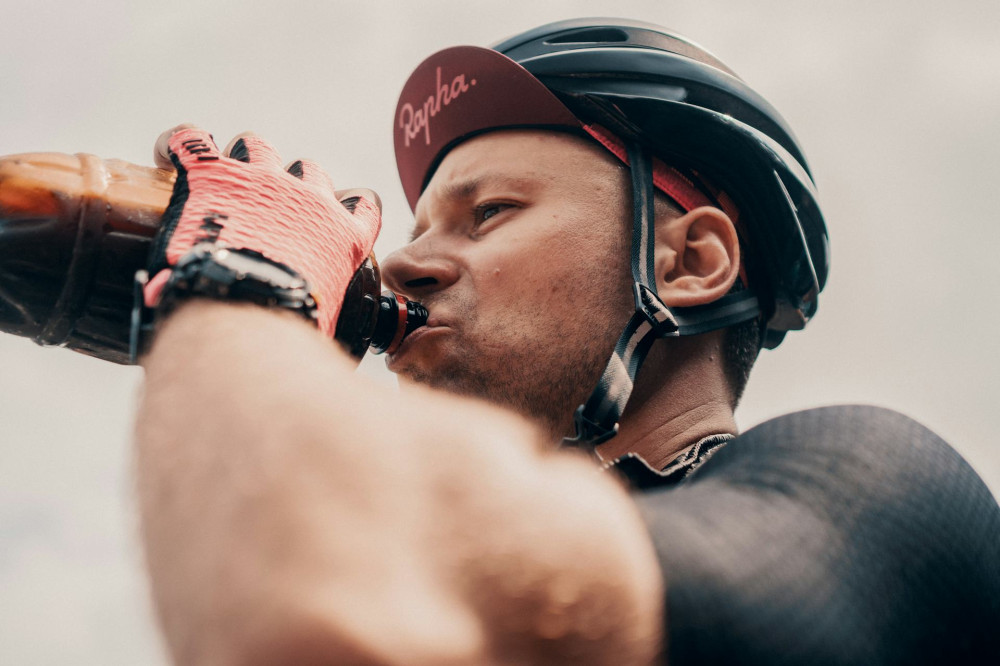
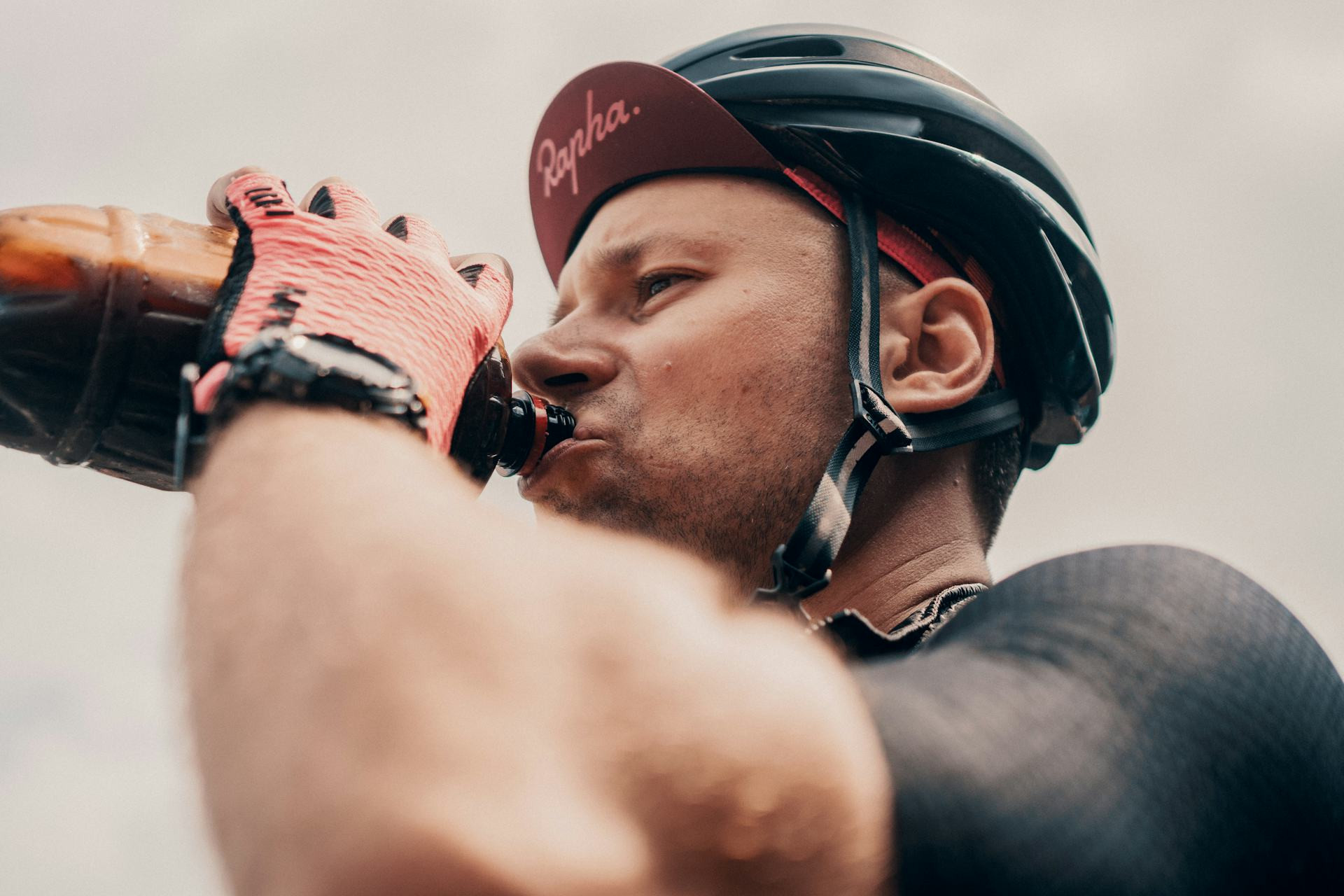
Even mild dehydration can affect your performance. Drink a glass of water or a sports drink before you set off, and take fluids with you. On longer rides, consider adding electrolytes to replace what you lose through sweat.
During your ride: Small bites, steady energy
For shorter rides under an hour, water is usually enough. But if you’re cycling for longer or at higher intensity, topping up your energy stores is essential.
A good rule of thumb is 30–60 grams of carbohydrates per hour, depending on how hard and how long you’re riding. That’s roughly the equivalent of an energy bar, a couple of pieces of fruit, or a bottle of sports drink. Small, regular bites are better than large amounts all at once – they keep your energy levels stable and your stomach happy.
After your ride: Help your body recover
Once you step off the bike, your muscles are depleted and need nutrients to rebuild. This is where post-ride snacks can make a big difference.
Within 30 minutes: Quick carbs and protein
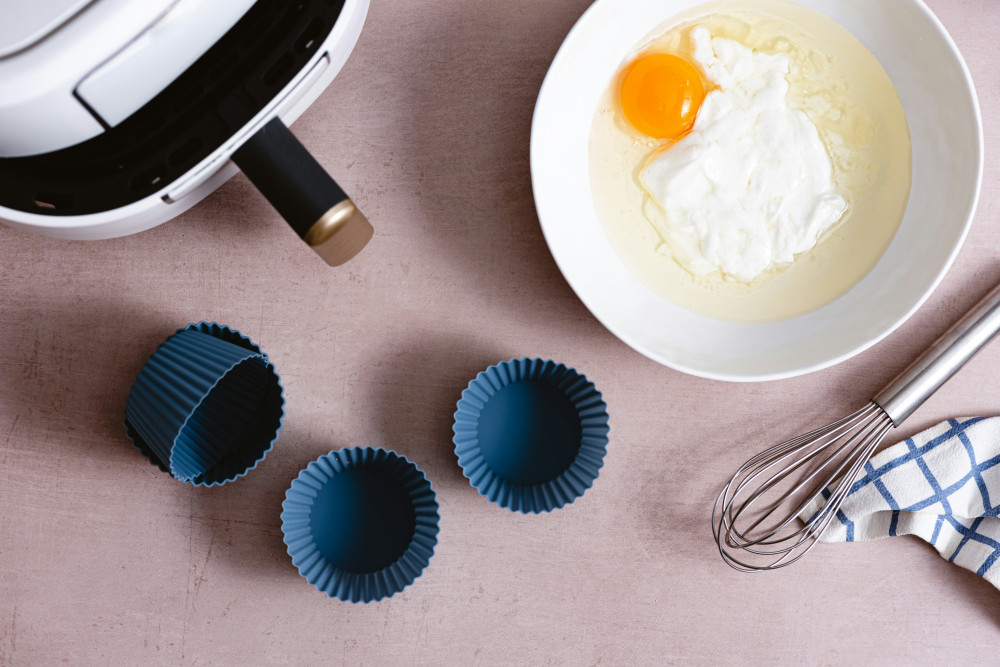
The so-called “recovery window” lasts about half an hour after training, when your body absorbs nutrients most efficiently. A smoothie made with milk and fruit, a protein shake, or a slice of wholegrain toast with eggs are all great choices. The combination of carbohydrates and protein helps replenish glycogen stores and repair muscle fibres.
A few hours later: A complete meal
A couple of hours after your ride, have a balanced meal with vegetables, wholegrains, and a good source of protein such as fish, chicken, or lentils. This supports full recovery and helps your body adapt to training, making you stronger for your next ride.
Læs også:


The small habits that make a big difference
Eating well around your cycling sessions isn’t about strict rules – it’s about finding a rhythm that works for you. Here are a few simple habits that can help:
- Plan your snacks – keep easy, nutritious options on hand so you’re never caught out.
- Listen to your body – notice how different foods affect your energy and digestion.
- Think long-term – good nutrition isn’t just for training days; it’s about consistent, balanced eating.
- Keep it simple – stock up on bananas, nuts, oat bars, or small packed snacks for convenience.
When you get the balance right between energy, timing, and quality, you’ll find that your performance improves, recovery feels easier, and every ride becomes that bit more enjoyable.
Læs også: