Breaks and Overnight Stays on Your Cycling Trip – How to Find the Right Balance Between Pace and Rest

Breaks and Overnight Stays on Your Cycling Trip – How to Find the Right Balance Between Pace and Rest
A cycling trip isn’t just about reaching your destination – it’s about enjoying the journey. Whether you’re planning a weekend ride through the Cotswolds, a coast-to-coast adventure, or a longer tour across the UK, finding the right balance between pace and rest is key to making the experience rewarding. For many cyclists, it’s the breaks and overnight stops that turn a ride into a memorable journey. Here’s how to strike that perfect rhythm between pedalling and pausing.
Know Your Pace – and Plan Around It
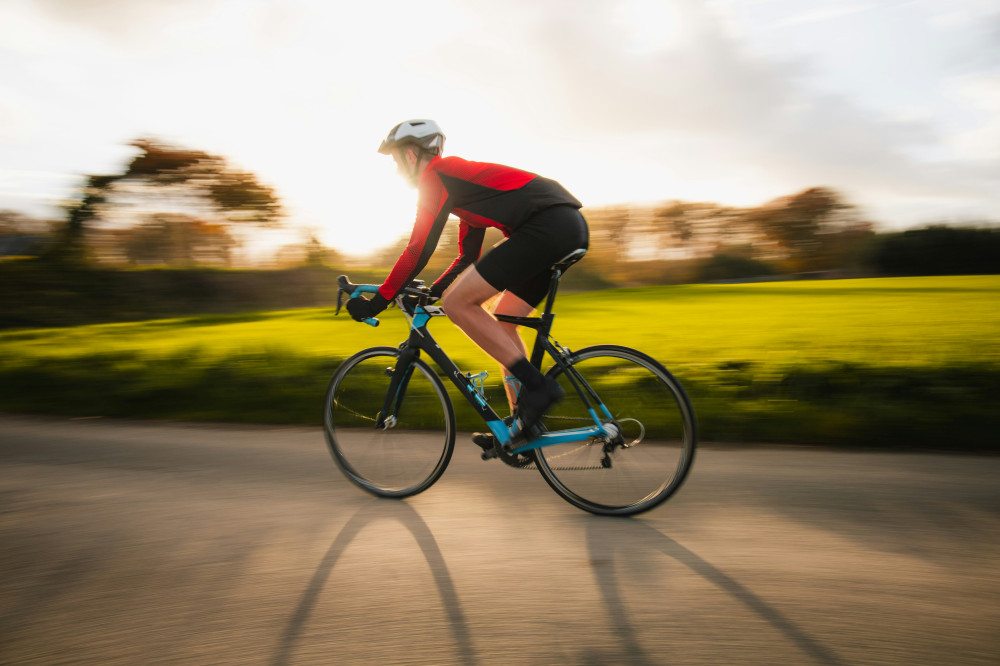
The first step to a balanced trip is understanding your own pace. How far can you comfortably ride in a day without feeling exhausted? For most cyclists, a daily distance of 50–80 kilometres (30–50 miles) is manageable, depending on terrain, weather, and how much gear you’re carrying.
If you’re new to multi-day cycling, start gently. It’s far better to finish the day with energy to spare than to push yourself too hard early on. Remember that recovery is just as important as the ride itself – even if you feel fine after the first day, your body will thank you for taking it easy.
Create a route plan, but keep it flexible. That way, you can linger at a scenic viewpoint, take an extra coffee break, or stop earlier if your legs start to tire.
Breaks Along the Way – More Than Just a Rest
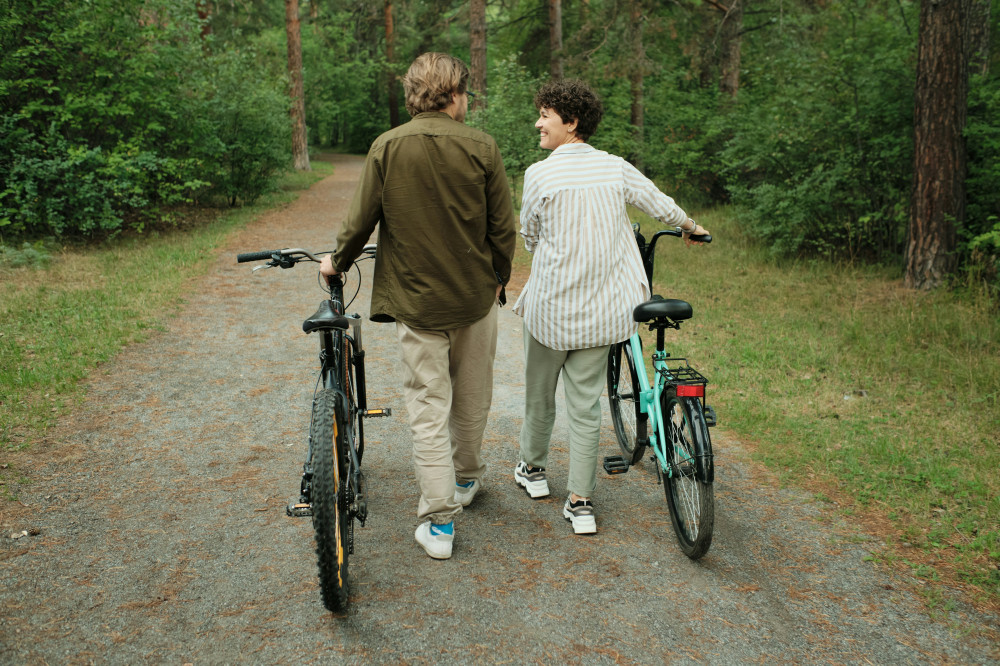
Breaks aren’t only about catching your breath. They’re part of the experience. Use them to stretch, hydrate, and refuel, but also to take in your surroundings.
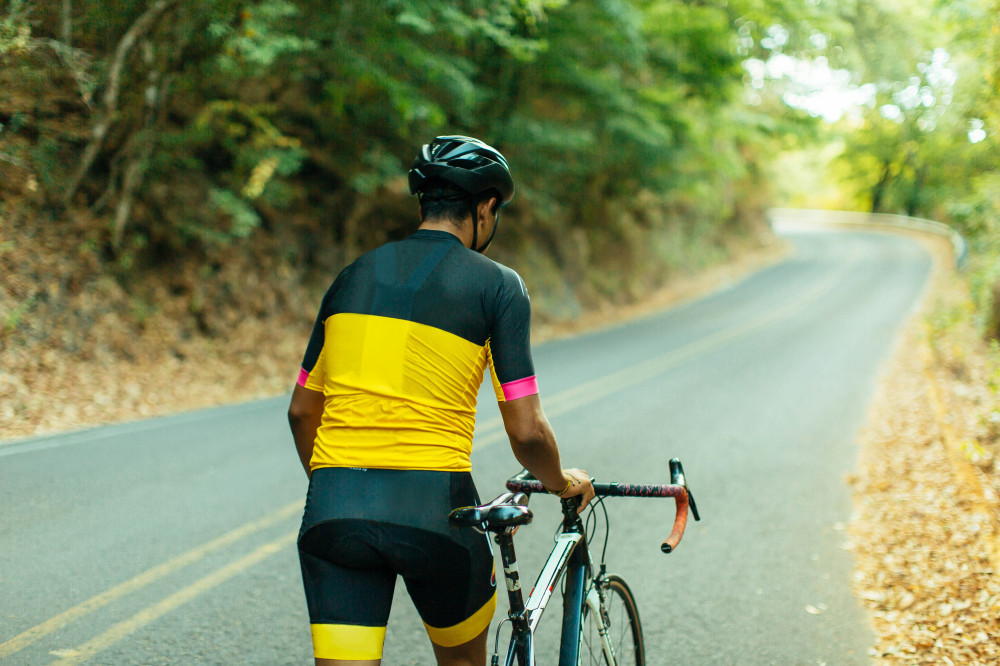
A good rule of thumb is to take a short break every hour – just five minutes to get off the bike, roll your shoulders, and check your route. Plan longer stops around lunchtime or at points of interest along the way.
If you’re cycling in warm weather, avoid the hottest hours in the early afternoon. Take a longer break in the shade, enjoy a picnic, or explore a nearby village before continuing when the temperature drops.
Overnight Stays – Choose What Suits You
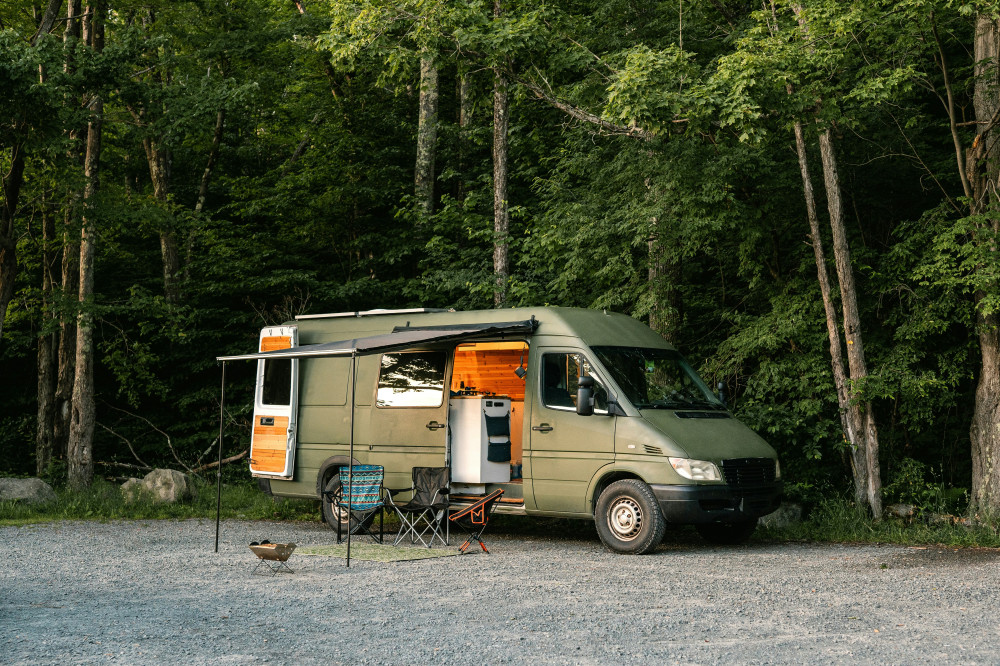
Where you sleep has a big impact on how well you recover. The UK offers a wide range of options to suit every style and budget:
- Wild camping – for those who love solitude and freedom. In Scotland, wild camping is generally permitted under the Outdoor Access Code, while in England and Wales it’s more restricted, so always seek landowner permission or use designated spots.
- Campsites – a great choice for cyclists, with facilities like showers, kitchens, and charging points. Many sites welcome touring cyclists and may offer small pitches for tents.
- Hostels and bunkhouses – ideal for budget-conscious riders who want a bed, a shower, and a chance to meet fellow travellers. The YHA network and independent hostels are scattered across the country.
- Bed & Breakfasts or guesthouses – perfect if you prefer comfort, a hearty breakfast, and a good night’s sleep before the next leg of your journey.
Whatever you choose, book ahead during busy seasons, especially in popular cycling regions like the Lake District or the South West Coast. Knowing where you’ll rest each night helps you relax and enjoy the ride.
Food, Drink, and Recovery
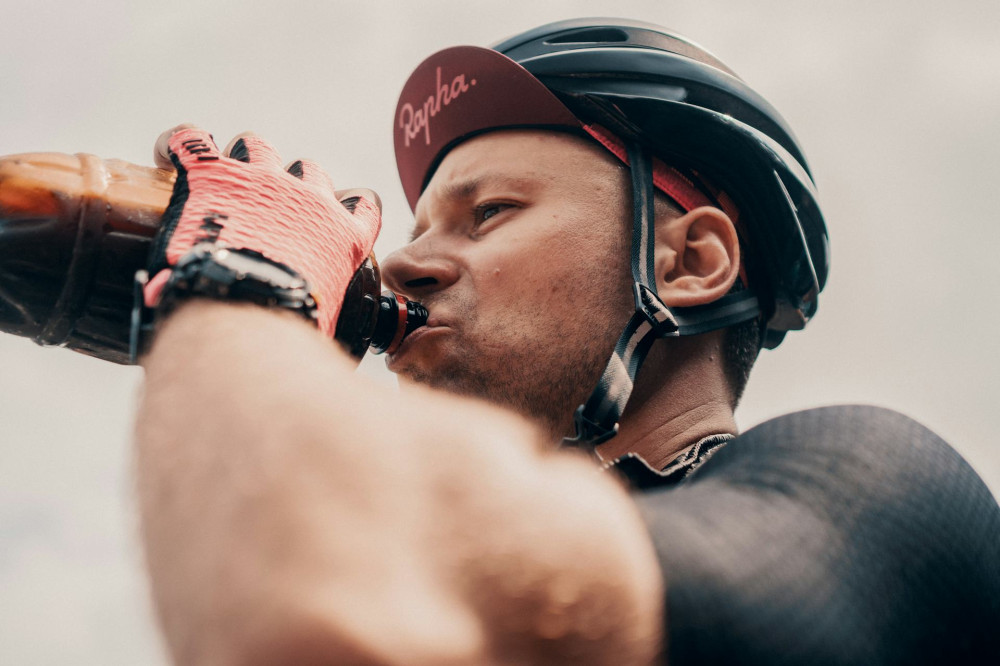
Fuel and hydration are essential for maintaining your pace. Eat regularly – small snacks and light meals throughout the day work better than a few large ones. Keep your water bottles topped up whenever you can, and carry some electrolyte tablets for longer rides.
After a day in the saddle, your body needs both carbohydrates and protein to recover. A simple pasta dish, a pub meal, or even a quick camp-stove dinner can make a big difference. Don’t forget to stretch and get enough sleep – a good night’s rest is the best recovery tool you have.
Listen to Your Body – and the Landscape
One of the greatest joys of cycle touring is how close you get to nature. But that also means paying attention – to your surroundings and to yourself. If you feel tired, sore, or irritable, take a break. It’s better to stop an hour early than to push through and risk injury or burnout.
Use your pauses to check in with yourself: Are you hungry, thirsty, or just in need of a moment’s quiet? Finding balance isn’t about speed – it’s about being present in the journey.
Læs også:

Make the Trip Your Own
There’s no single “right” way to go on a cycling trip. Some riders love to plan every detail, while others prefer to see where the road takes them. The important thing is to find a rhythm that suits you.
Maybe your goal is to challenge yourself physically, or perhaps it’s to unwind and enjoy the countryside at your own pace. Either way, remember that the breaks and overnight stays aren’t interruptions – they’re part of the adventure itself.
Læs også: