How to Tackle Hills and Bridges with Efficient Bicycle Transport


How to Tackle Hills and Bridges with Efficient Bicycle Transport
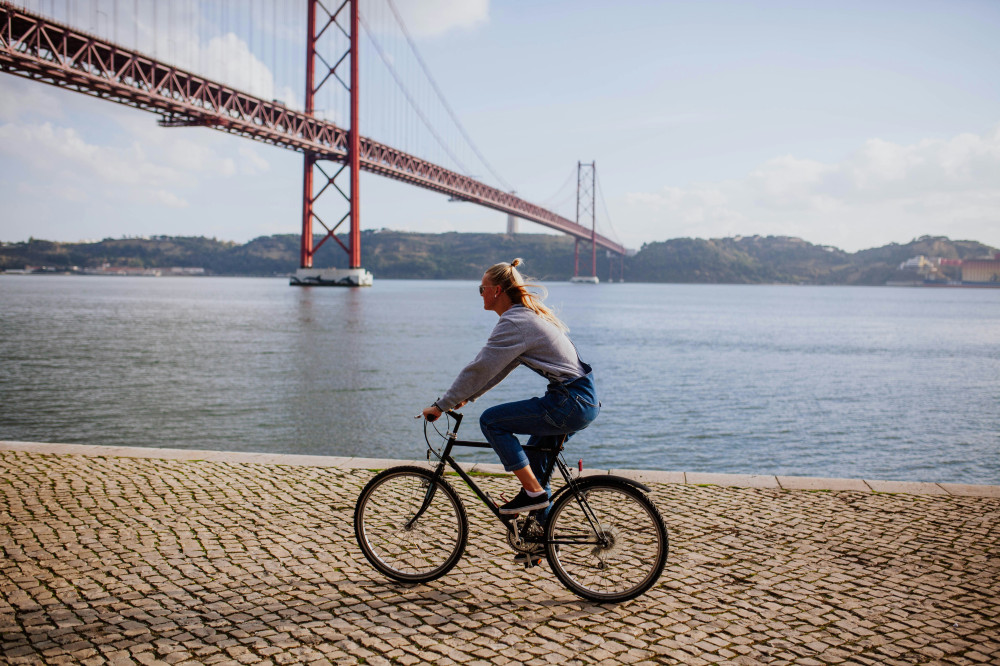
Cycling in the UK isn’t all flat canal paths and quiet country lanes – there are also steep hills, windy bridges, and the occasional gust off the coast that can test even the most seasoned rider. But with the right technique, preparation, and equipment, you can make your rides smoother, faster, and more enjoyable. Here’s a practical guide to handling hills and bridges efficiently, whether you’re commuting through Bristol, crossing the Humber Bridge, or exploring the rolling roads of Yorkshire.
Know Your Bike and Its Gears
The first step to conquering climbs and bridges is understanding how your bike’s gears work. Many riders wait too long to shift, which makes the ascent unnecessarily tough.
- Shift early: As you approach a hill, change into an easier gear before you start climbing. This helps you maintain a steady rhythm.
- Keep a consistent cadence: Aim for a smooth pedalling rate of around 70–90 revolutions per minute. It’s more energy-efficient than pushing hard in a heavy gear.
- Use the full range: Don’t forget that gears are there to help on descents too. Use the higher gears to maintain speed without overworking your legs.
If you ride an e-bike, adjust the assistance level before you hit the incline. Let the motor help you from the start rather than halfway up.
Climbing Technique
When tackling a hill, it’s all about balance between power and rhythm.
- Stay seated and steady: Keeping your upper body calm improves traction on the rear wheel and saves energy.
- Breathe deeply and evenly: Many riders hold their breath when it gets tough. Focus on steady breathing to keep oxygen flowing.
- Use the full pedal stroke: Think about pulling up as well as pushing down. This distributes effort and gives you more consistent power.
On busy bridges or narrow cycle lanes – like those on London’s river crossings or the Forth Road Bridge – give yourself space from other cyclists so you can adjust your pace without losing balance.
Læs også:

Descending – Speed with Control
After the climb comes the reward: the descent. But it’s important to stay in control.
- Keep your hands on the brakes: Use both brakes evenly to avoid skidding.
- Look ahead: Scan for bends, pedestrians, and other cyclists well in advance.
- Use your momentum: On longer descents, carry your speed into the next section – especially if another hill follows.
If you’re carrying shopping, panniers, or a child seat, be mindful of weight distribution. Heavier bikes need more braking distance and steadier steering.
Plan Your Route – and Use Technology
Not all hills are created equal, and some bridges have alternative routes or cycle lifts. Use mapping tools and cycling apps that show elevation and gradients to plan the most efficient path.
- Google Maps and Komoot offer cycling routes with elevation profiles.
- Local council cycling maps often highlight routes with gentler gradients or dedicated cycle lanes.
- E-bike riders can plan charging stops if the route includes long climbs.
Knowing your route in advance saves time, energy, and surprises – especially when you’re commuting or riding in unfamiliar areas.
Equipment That Makes a Difference
The right gear can make a big difference when tackling hills and bridges.
- Travel light: The less weight you carry, the easier the climb. Panniers are better than backpacks for balance.
- Tyre pressure: Properly inflated tyres roll more efficiently and reduce effort.
- Chain and gears: Keep them clean and lubricated to minimise resistance and wear.
- Helmet and gloves: Essential for safety and comfort, especially on fast descents.
If you regularly ride in hilly areas, consider a bike with a wide gear range or an e-bike with torque sensing for smoother assistance.
Motivation and Mindset
Hills and bridges can seem daunting, but they’re also opportunities to build strength and confidence. Treat them as challenges rather than obstacles.
Set small goals: “Just to the next lamppost,” then another. Breaking the climb into sections makes it more manageable. And when you reach the top, take a moment to enjoy the view and the sense of achievement – it’s one of cycling’s greatest rewards.
Efficient Cycling Is About Rhythm and Preparation
Conquering hills and bridges isn’t just about muscle power – it’s about technique, planning, and rhythm. With the right habits, even the steepest routes can become part of an efficient, enjoyable cycling routine – whether you’re commuting to work, training for fitness, or simply exploring the British countryside.
Læs også: