Electronic Aids in Hunting: GPS and Rangefinders in Practice

Electronic Aids in Hunting: GPS and Rangefinders in Practice
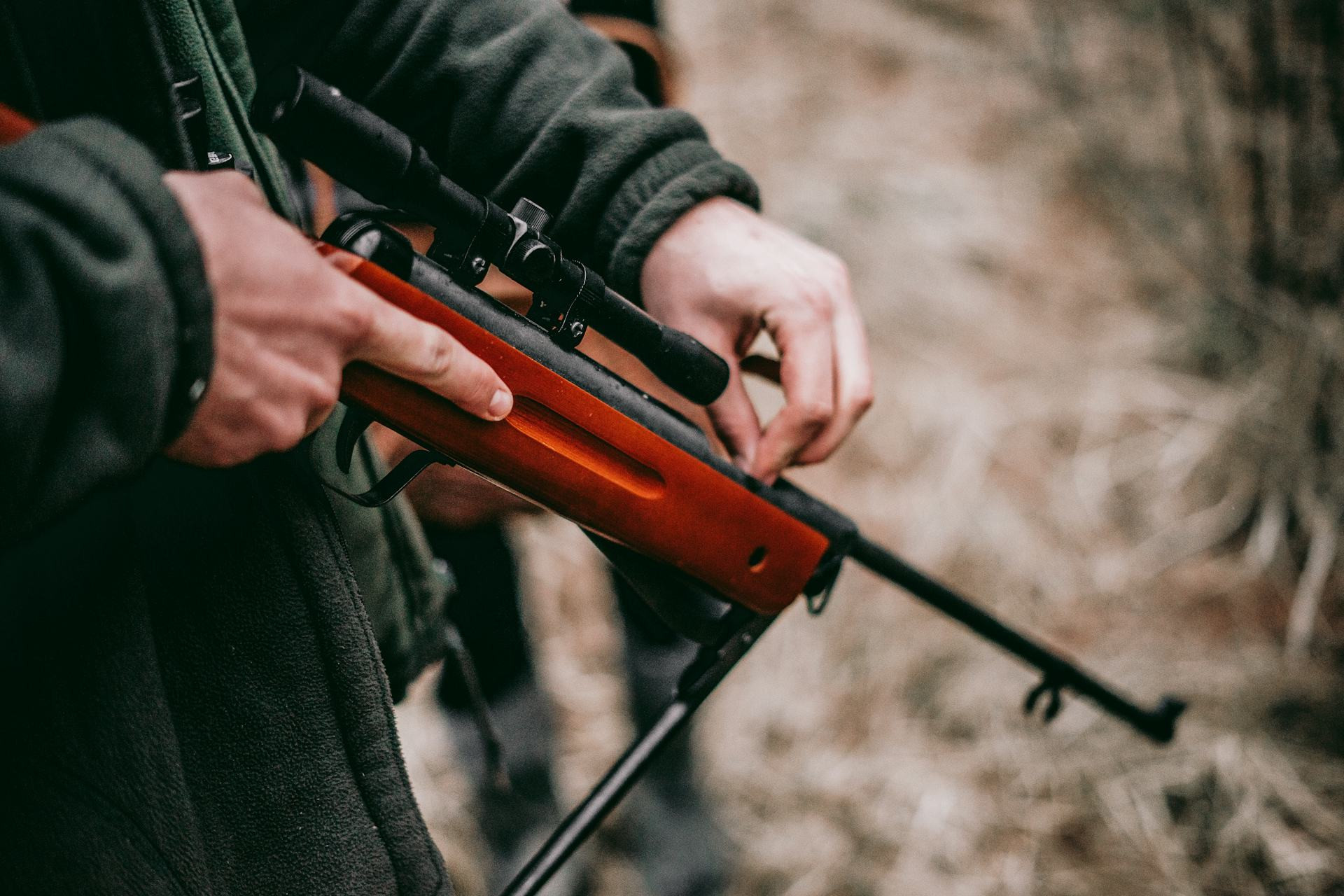
Technology has long since found its way into the world of hunting. Where hunters once relied solely on maps, compasses, and experience, modern sportsmen and women now have access to a range of electronic tools that can make hunting both more efficient and more ethical. Two of the most widely used devices are GPS units and rangefinders – tools that can assist with everything from navigation in the field to accurate shot placement. But how are they used in practice, and what should British hunters keep in mind?
GPS – orientation and safety in the countryside
A GPS (Global Positioning System) has become almost as essential to many hunters as their rifle or shotgun. It allows precise navigation whether you are stalking deer in the Scottish Highlands, walking the moors, or exploring unfamiliar woodland.
Navigation and route planning
With a GPS, you can mark key locations, record routes, and easily find your way back to your vehicle or meeting point. This is particularly useful on large estates or in remote areas where it is easy to lose your bearings. Many devices also allow you to share your position with fellow hunters, helping to coordinate movements and avoid potentially dangerous situations.
Safety and record-keeping
A GPS is not only a navigation tool – it can also be a vital safety aid. Should you become injured or disoriented, you can quickly provide your exact location to others. GPS data can also be used to document where you have been, which can be helpful for planning future outings or for wildlife management purposes.
Handheld device or smartphone app?
There are both dedicated GPS units and mobile apps that use your phone’s built-in GPS. A handheld device is often more robust and has better battery life, while an app can be convenient if you already carry your phone. Whichever you choose, it is always wise to carry a paper map and compass as a backup – electronics can fail, especially in cold or wet conditions.
Rangefinders – precision at the moment of the shot
Rangefinders are another popular aid that can make a significant difference to shooting accuracy. They work by sending a laser beam towards the target and measuring the time it takes for the reflection to return. The result is an accurate distance reading within seconds.
Ethical shooting through accurate distance
Knowing the exact distance to your quarry is crucial for taking a safe and humane shot. Even small errors in distance estimation can cause a bullet or pellet to strike too high or too low. A rangefinder allows you to quickly assess whether the animal is within a responsible shooting range – helping to avoid wounding and unnecessary suffering.
Combined optics
Many modern binoculars and rifle scopes now include built-in rangefinders, allowing you to measure distance without switching between devices. This saves time and reduces movement, which can be critical when stalking alert game.
Practice and experience
While technology is helpful, it should never replace a hunter’s own skills. It is a good idea to practise judging distances by eye and then check your estimates with the rangefinder. This way, you learn to combine experience with technology – becoming a more capable and responsible hunter.
Rules and ethics
In the United Kingdom, the use of electronic aids in hunting is subject to regulation. GPS units and rangefinders are permitted, but equipment that provides an unfair advantage – such as thermal imaging or night vision scopes for live quarry – is restricted under firearms and wildlife laws. It is therefore important to stay informed about current legislation and to use technology in a way that respects both the law and the ethics of fair chase.
Læs også:

Technology as support – not substitution
Electronic aids can make hunting safer, more efficient, and more precise, but they should be seen as supplements to a hunter’s own abilities, not replacements. The best hunters are still those who understand the land, read the weather, and act with care and respect.
Used thoughtfully, GPS units and rangefinders can enhance the quality of the hunt – for the hunter, for companions, and for the wildlife itself.
Læs også: