Avoid Costly Surprises: Plan Your Hunting Trip Carefully

Avoid Costly Surprises: Plan Your Hunting Trip Carefully
A hunting trip can be the adventure of a lifetime – whether you dream of stalking red deer in the Scottish Highlands, pheasant shooting on a country estate, or travelling abroad for wild boar or antelope. But without careful planning, that dream can quickly become more expensive and complicated than expected. From permits and insurance to equipment and logistics, there are many details to get right. Here’s how to plan your hunting trip so you can avoid unpleasant surprises and make the most of your experience.
Choose Your Destination Wisely
Before booking, think carefully about what kind of hunting experience you want. Do you prefer a challenging mountain stalk, a traditional driven shoot, or a quiet walk-up day in woodland? Different regions – both in the UK and abroad – offer very different opportunities and price levels.
- Scotland: Famous for red deer stalking and grouse shooting. Stunning scenery, but often with higher costs and limited availability during peak season.
- England and Wales: Known for pheasant, partridge, and roe deer. Many estates offer well-organised days for individuals or small groups.
- Europe: Countries like Poland, Hungary, and Sweden offer excellent hunting for wild boar, moose, and roe deer, often at more affordable prices.
- Africa: A completely different experience, combining adventure, culture, and unique game species – but requiring extra attention to paperwork and logistics.
Always check local hunting laws, firearm regulations, and trophy import rules before you go. Choose an outfitter or organiser with proven experience and good references.
Budget Beyond the Trip Price
Many hunters focus on the headline price of the trip but forget the extra costs that can quickly add up. Make sure you understand exactly what’s included – and what isn’t.
Typical additional expenses include:
- Trophy fees and preparation
- Firearm transport and ammunition costs
- Tips for guides and staff
- Extra hunting days or missed-shot fees
- Customs and export paperwork for trophies
Create a realistic budget and include a buffer for unexpected costs. It’s far better to return home with money left over than with an unplanned bill.
Paperwork and Permits
The administrative side may not be exciting, but it’s essential for a smooth trip. Make sure you have all the necessary documents in order:
- Firearm certificates – Your UK Firearm Certificate must be valid, and you may need additional permits for travel abroad.
- Hunting licences and insurance – Check that your insurance covers hunting activities, both in the UK and overseas.
- Transporting firearms – Airlines and ferry companies have strict rules for firearms and ammunition. Confirm requirements well in advance.
- Trophy documentation – For hunts outside the UK, especially in Africa or Asia, you may need CITES permits for certain species.
A reputable organiser can often help with the paperwork, but ultimately, the responsibility is yours.
Equipment and Preparation
The right gear can make the difference between a successful and a frustrating hunt. Consider the climate, terrain, and type of hunting when packing.
- Clothing: Dress in layers suitable for the weather. In the Highlands, conditions can change rapidly.
- Optics: A good pair of binoculars and possibly a rangefinder are invaluable.
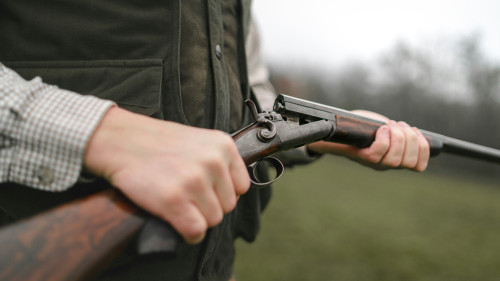
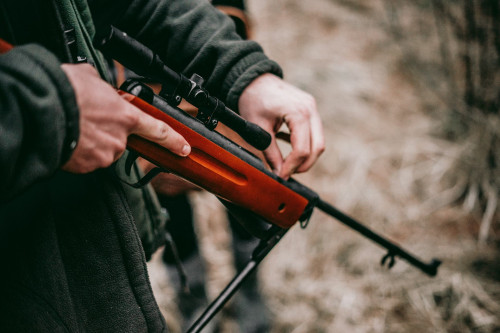
- Firearm and ammunition: Ensure your rifle and ammunition are appropriate for the game you’ll be hunting – and that you’re confident using them.
- Footwear: Invest in quality boots that are broken in before the trip. Comfort and safety go hand in hand.
Practise your shooting before you travel. Many hunts involve longer shots or challenging conditions that require steady aim and experience.
Insurance and Safety
Hunting trips carry inherent risks, so make sure you’re properly insured. Standard travel insurance may not cover hunting activities, so read the terms carefully.
Consider:
- Travel and cancellation insurance
- Specialist hunting insurance covering firearms, equipment, and liability
- Health insurance valid in your destination country
Also, let family or friends know where you’re going and how to reach you in case of emergency.
Choose a Reliable Organiser
A professional and trustworthy organiser can save you a great deal of trouble. Check reviews, ask for recommendations from fellow hunters, and choose a provider who is a member of a recognised industry association.
A good organiser will assist with everything from permits and transport to accommodation and trophy handling – and will be there to help if something goes wrong.
Læs også:
Enjoy the Experience – and Respect Nature
Once the practicalities are sorted, focus on enjoying the experience. A hunting trip is not just about trophies or success, but about connecting with nature, local traditions, and the people you meet along the way. Take time to appreciate the landscape and respect wildlife management practices.
After the hunt, think about how you want to preserve the memories – perhaps with a trophy, photographs, or a written journal. The most valuable part of any hunting trip is the experience itself – one that lasts long after you’ve returned home.
Læs også: