Dawn and Dusk: Plan Your Hunting Methods Around the Rhythm of the Day

Dawn and Dusk: Plan Your Hunting Methods Around the Rhythm of the Day
For many hunters, success depends not only on the season but also on the time of day. Wildlife follows its own rhythm, and by tuning in to nature’s daily cycle, you can increase your chances of a rewarding hunt – and enjoy a deeper connection with the countryside. Dawn and dusk are the moments when the land awakens and settles again, offering some of the most atmospheric and productive times to be out. Here’s how to plan your hunting around the rhythm of the day.
Dawn – When the Countryside Comes Alive
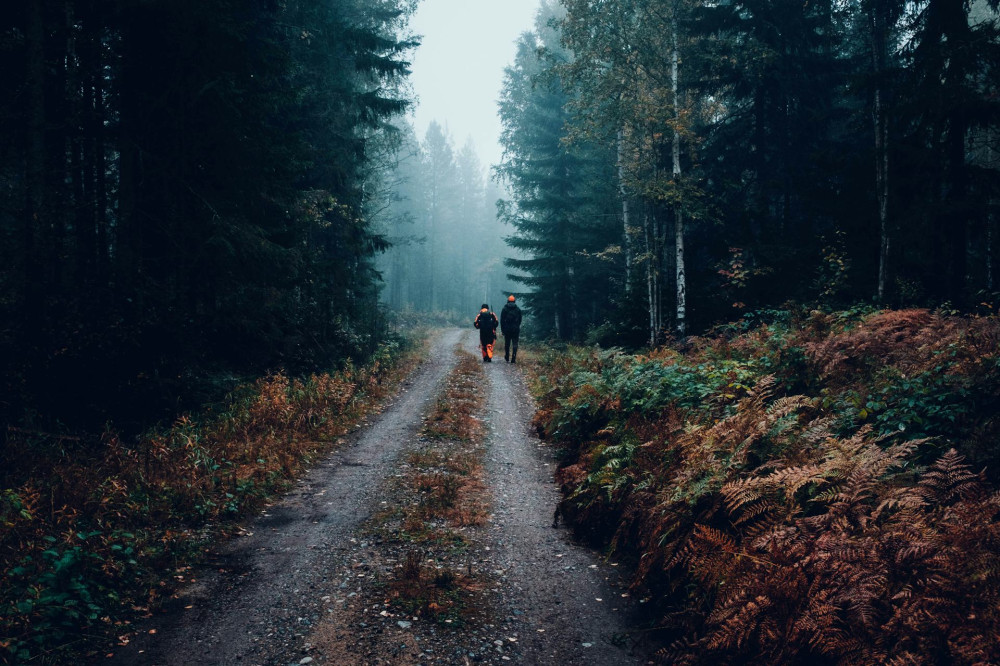
The early hours are often the most magical. The air is crisp, the fields glisten with dew, and the first birds begin to call. Many animals are on the move after the quiet of the night, making this a prime time for patient hunters.
Deer and Wildfowl in the Morning Light
In the British countryside, roe and fallow deer often venture into open fields at first light to feed. A careful stalk at dawn can be particularly effective, provided you are in position before sunrise. Move quietly and keep downwind to avoid being detected as the animals leave their cover.
Wildfowling also comes into its own at this hour. Ducks and geese lift from their roosts on estuaries, lakes, and marshes to feed on nearby farmland. Positioning yourself along their flight lines can bring thrilling moments as the first flocks cross the sky.
Preparation and Patience
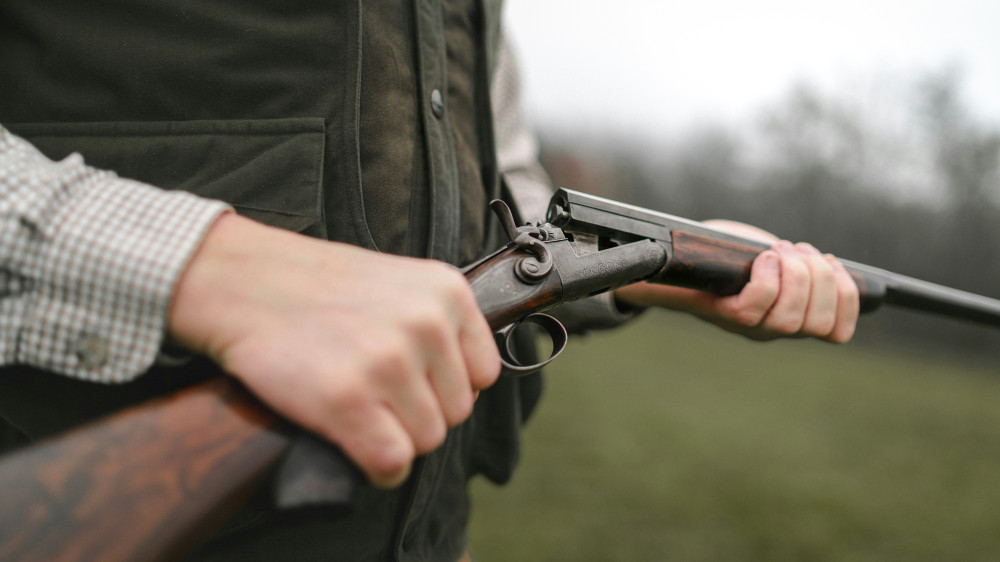
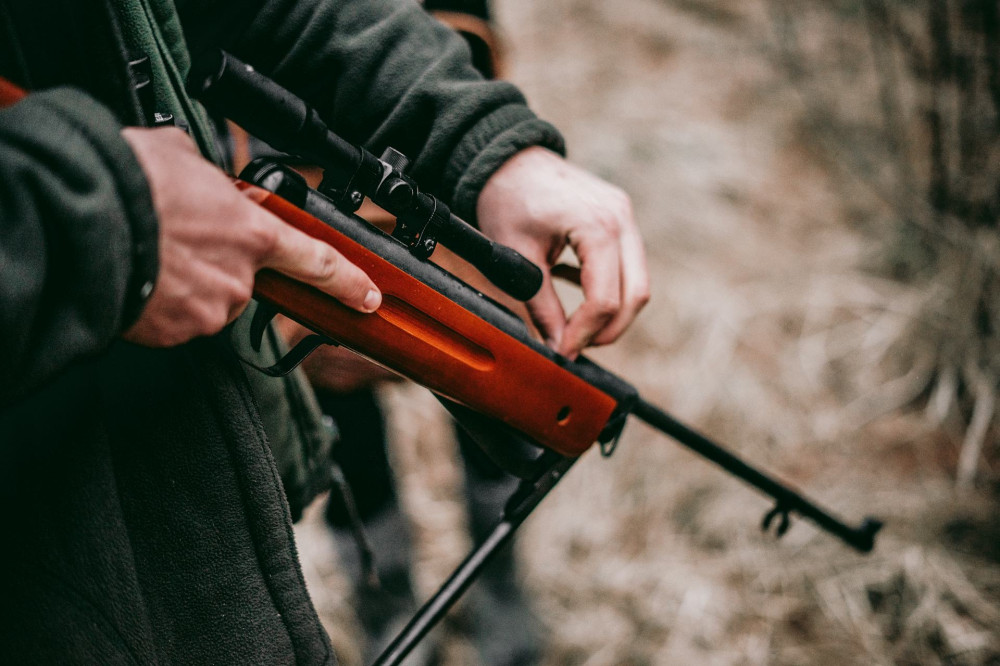
Morning hunts reward those who plan ahead. Check the wind direction, prepare your kit the night before, and move with care. The goal is to blend into the landscape, not to disturb it. A flask of tea and a calm mindset are as essential as your rifle or shotgun.
Midday – When Nature Rests
As the sun climbs and the air warms, much of the wildlife retreats to shade and shelter. But the middle of the day need not be wasted.
Time for Observation and Maintenance
Use these quieter hours to study the land. Watch how animals move, note feeding areas, and plan your next outing. It’s also a good time to check your equipment, clean your firearm, or explore new ground for future hunts.
Pigeon and Rabbit Shooting
Some quarry remains active through the day. Woodpigeon shooting over stubble fields or near woodland edges can be productive, especially if you use decoys to draw them in. Rabbits, too, may be seen feeding along hedgerows or field margins, offering opportunities for a steady shot.
Dusk – When the Day Winds Down
As the light softens and the air cools, the countryside stirs once more. Dusk is one of the most evocative times to be outdoors – and one of the most rewarding for hunters.
Evening Movement
Deer, foxes, and other nocturnal animals become active again as darkness approaches. An evening stalk or a quiet wait in a high seat can yield results if you know the animals’ routes between cover and feeding grounds. Settle in early, stay still, and let the fading light work in your favour.
Wildfowl at Sunset
The evening flight of ducks returning to water is a highlight of the British shooting season. As the sun dips below the horizon, the sky fills with silhouettes and the sound of wings. Be ready, but take a moment to appreciate the beauty of the scene – it’s these fleeting minutes that make the experience unforgettable.
Læs også:
Nightfall – Reflection and Renewal
When darkness settles and the countryside grows still, it’s time to pack up and reflect. A good day’s hunting is not measured only by the bag, but by the sense of belonging to the natural rhythm around you. Note what you’ve observed, plan your next outing, and let the day’s lessons guide you.
Understanding the rhythm of dawn, day, and dusk is one of the most valuable skills a hunter can develop. By aligning your methods with nature’s own timetable, you’ll not only improve your success but also deepen your appreciation of Britain’s wild places and their timeless cycles.
Læs også: