Wooden Spoon, Dough Hook or Whisk? How to Choose the Right Tool for Your Dough

Wooden Spoon, Dough Hook or Whisk? How to Choose the Right Tool for Your Dough
When you’re baking at home, the tool you choose can make more difference than you might think. A wooden spoon, a dough hook and a whisk each have their own strengths – and using them correctly can mean less effort, better texture and more consistent results. Here’s a guide to help you pick the right tool for your dough.
The Wooden Spoon – the classic all-rounder
The wooden spoon is one of the oldest and most versatile tools in any kitchen. It’s perfect for mixing ingredients when you want to keep some texture – for example, in cake batters, cookie doughs or bread doughs that don’t need heavy kneading.
A wooden or silicone spoon is ideal when you want to avoid knocking too much air out of the mixture, or when you’re working in a bowl that doesn’t like metal utensils. It gives you great control and a good feel for the dough, and it’s easy to scrape down the sides as you go.
Use a wooden spoon for:
- Muffins and cake batters that should be mixed gently
- Cookie doughs where butter and sugar are combined without being whipped
- Bread doughs that need to come together before kneading by hand
A good tip is to choose a spoon with a comfortable handle and a slightly flexible edge – it makes mixing easier and more precise.
The Dough Hook – when structure matters
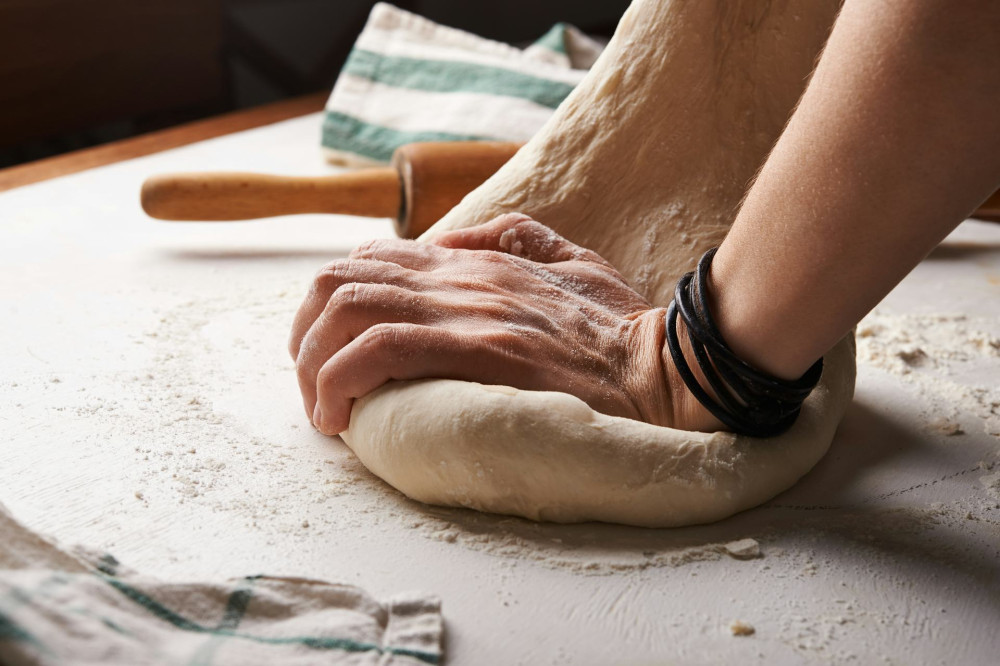
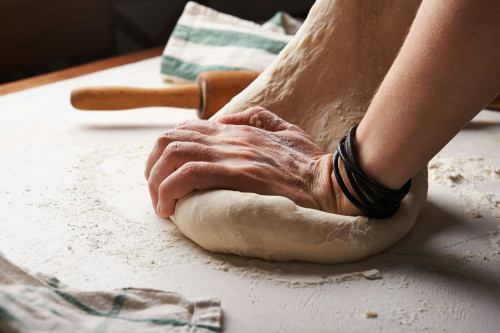
The dough hook is essential when you’re working with yeasted doughs or any dough that needs kneading. It’s designed to pull and stretch the dough, helping the gluten develop – the key to a springy, airy loaf.
If you’re using a stand mixer, the dough hook is the attachment to reach for when making:
- Bread, rolls or pizza dough
- Sourdough that needs a long knead to become elastic
- Heavy doughs with a high ratio of flour to liquid
The dough hook does the hard work that would otherwise take many minutes of hand kneading. It kneads evenly and efficiently, without the risk of overworking the dough. Just remember to start the mixer on a low speed – otherwise you’ll end up with flour all over the kitchen.
A small tip: stop the mixer occasionally and scrape down the sides so all the flour is incorporated. It’ll give you a smoother, more even dough.
The Whisk – for air, lightness and volume
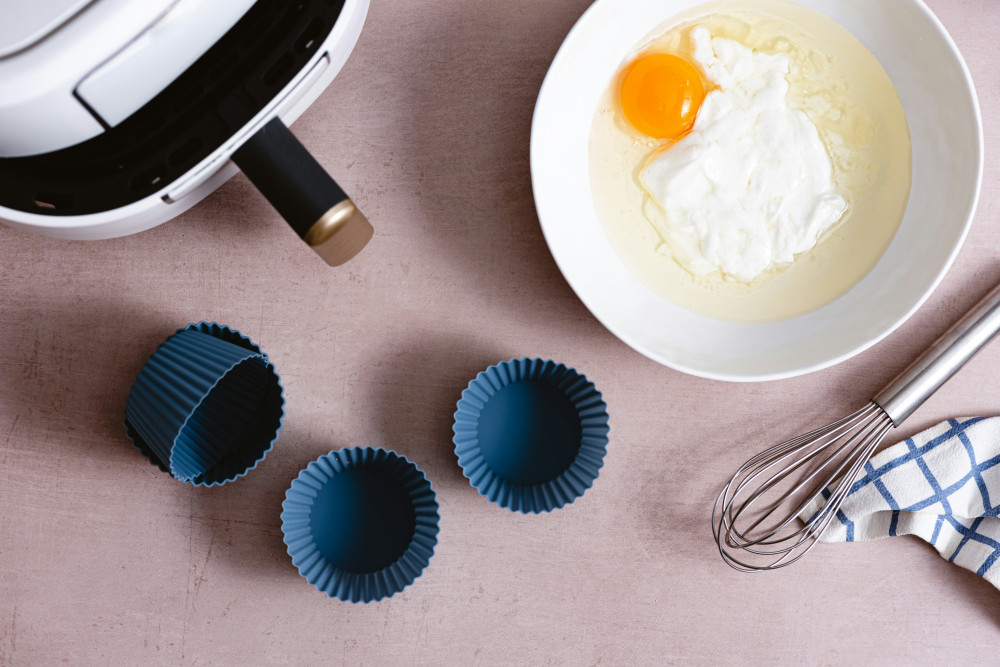
The whisk is your best friend when you need to incorporate air into a mixture. It’s used for whipping eggs, cream, meringue and light batters where volume and texture are key.
A whisk works by beating tiny air bubbles into the mixture – the more air, the lighter and fluffier the result. That makes it perfect for:
- Egg whites and whipped cream
- Eggs and sugar that need to be whisked until pale and airy
- Pancake or waffle batter where you want to avoid lumps
If you’re using an electric whisk or stand mixer, you can choose between different types – some are thin and fast, others sturdier for heavier mixtures. For hand whisking, a balloon whisk is often the best choice because it traps the most air.
A handy trick is to use a bowl with a rounded bottom – it makes it easier to reach all the mixture and avoid unmixed pockets.
Choosing the right tool – and avoiding mistakes
It might seem like a small detail, but the right tool can be the difference between a dense, heavy dough and a light, successful bake. Here are some general guidelines:
- Heavy doughs (bread, pizza, sourdough): use a dough hook
- Medium doughs (cookies, muffins, scones): use a wooden spoon
- Light mixtures (eggs, cream, pancakes): use a whisk
If you’re unsure, think about what you want to achieve: do you need to knead, stir or whisk? The answer will almost always point you in the right direction.
Læs også:
Care and maintenance
Whatever tool you use, it’ll last longer if you look after it properly. Wooden utensils should be washed by hand and dried thoroughly to prevent cracking. Silicone and stainless steel usually go in the dishwasher, but always check the manufacturer’s advice.
Store your tools dry and separately so they don’t warp or scratch each other. A good set of utensils can last for years – and make baking both easier and more enjoyable.
The right tool makes better bakes
Choosing between a wooden spoon, dough hook and whisk isn’t just about technique – it’s about understanding your dough. When you use the right tool, you’re working with the dough, not against it. That means better texture, flavour and consistency, whether you’re baking bread, cake or pancakes.
So next time you pick up your mixing bowl, ask yourself: do I need to stir, knead or whisk? The answer will lead you straight to the perfect result.
Læs også: