Gluten-Free Dough Without the Frustration: How to Get the Consistency Right Every Time

Gluten-Free Dough Without the Frustration: How to Get the Consistency Right Every Time
Baking without gluten can feel like a minefield – one moment your dough is too sticky, the next it crumbles apart or refuses to rise. But once you understand how gluten-free ingredients behave, you can master the texture and create light, delicious breads, rolls, and cakes every time. Here’s a practical guide to help you avoid the common pitfalls and enjoy stress-free gluten-free baking.
Understand the Difference: Gluten-Free Dough Isn’t Like Regular Dough
Gluten is the protein that gives wheat flour its stretch and structure. Without it, your dough lacks the elasticity that traps air and holds everything together. That means you need to approach mixing, kneading, and proving a little differently.
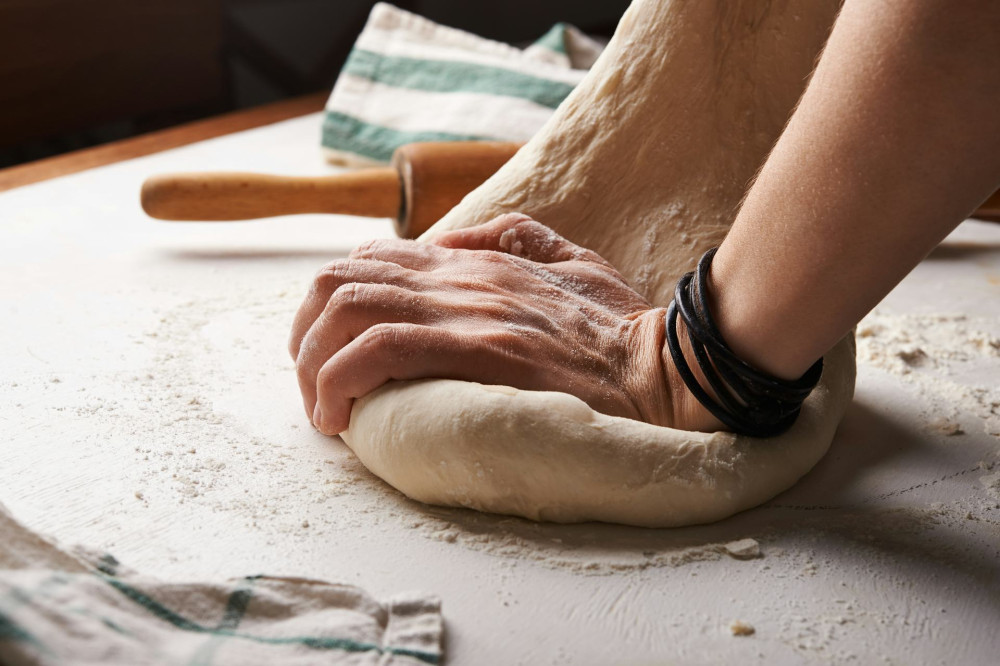
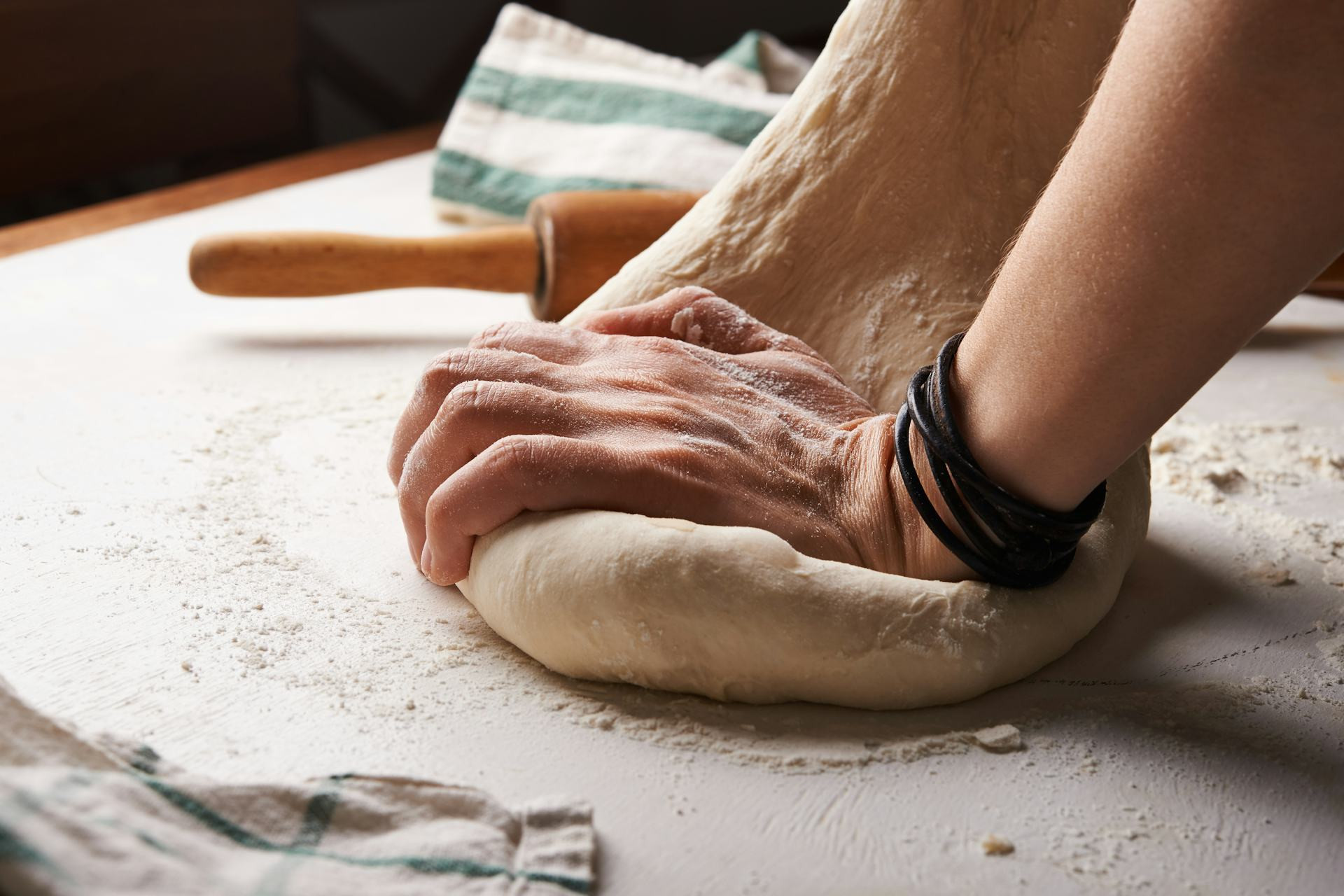
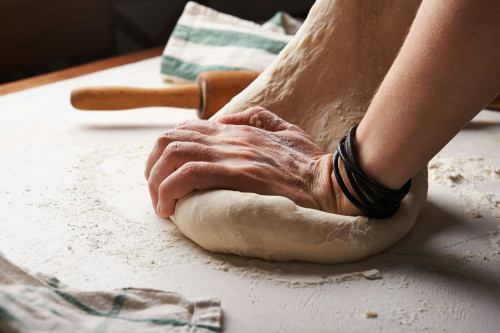
A gluten-free dough is usually more like a thick batter than a firm dough. You don’t need to knead it in the traditional sense – in fact, overworking it can make the result dense. Instead, focus on mixing the ingredients thoroughly and giving them time to absorb the liquid.
Choose the Right Flours and Binders
Gluten-free baking works best when you combine several types of flour. A single flour rarely provides the right balance of texture and flavour. Try blending:
- Rice flour – for a light, neutral base.
- Cornflour or potato starch – to add fluffiness.
- Buckwheat or oat flour – for depth and a nutty taste.
- Almond or chickpea flour – to add moisture and protein.
To replace gluten’s binding power, you’ll need a binder such as xanthan gum, guar gum, or psyllium husk. These help the dough hold together and give it a more elastic feel. Start small – about one teaspoon per 250 grams of flour is usually enough.
Adjust the Liquid – and Give It Time
Different gluten-free flours absorb liquid at different rates, so it’s best not to follow a recipe too rigidly. Instead, judge the consistency as you go. The dough should be moist but not runny – think of a thick porridge.
A useful trick is to let the dough rest for 10–15 minutes before shaping. This allows the flours to soak up the liquid, making the dough easier to handle. If it still feels too dry, add a little more liquid – just a tablespoon at a time.
Use Leavening Agents Wisely
Because gluten-free dough can’t trap air as effectively as wheat dough, it needs a bit of help to rise. Use fresh yeast or baking powder, and add a touch of sugar or honey to feed the yeast.
A warm, slightly humid environment helps the dough rise. Cover it with a damp tea towel and leave it somewhere cosy – near (but not on) a radiator, for example. Don’t let it overprove, though, as it can collapse if it rises too much.
Shaping and Baking – Avoid Stickiness and Crumbling
Gluten-free dough can be sticky to handle, but there are easy ways to make it more manageable:
- Use wet hands or utensils when shaping rolls or loaves.
- Dust your work surface with rice flour instead of wheat flour – it sticks less.
- Bake in tins or moulds to give the dough support as it bakes.
Gluten-free bakes often need a little longer in the oven to cook through and develop a crisp crust. Check by tapping the bottom – if it sounds hollow, it’s done.
Læs også:
Moisture and Fat – The Secret to Soft, Tasty Bakes
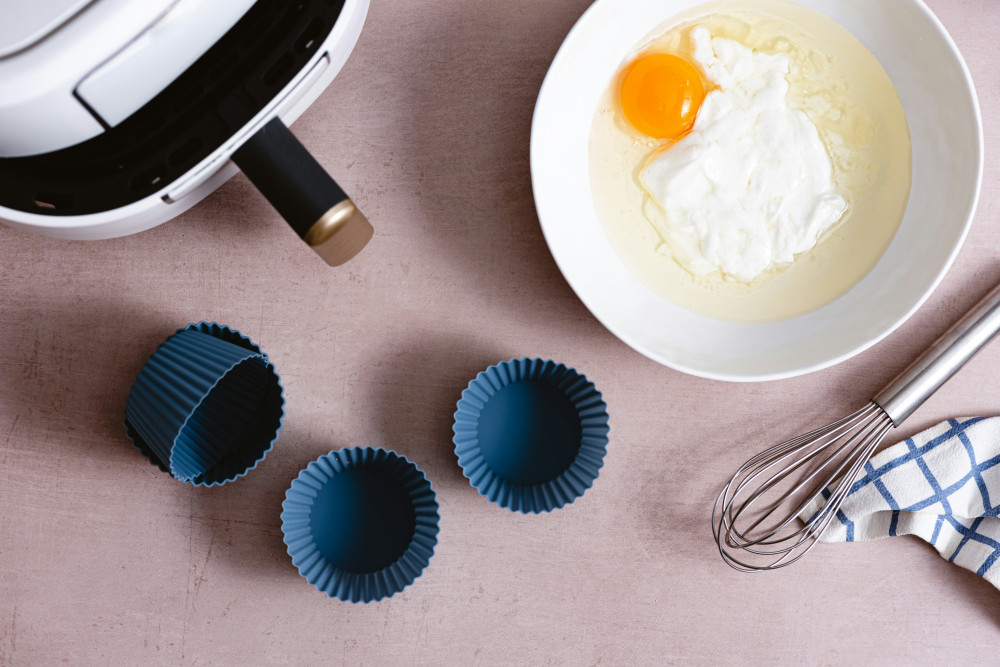
Gluten-free bakes can dry out quickly if you don’t add enough moisture. Ingredients like eggs, yoghurt, oil, or butter help keep the dough soft. You can also mix in grated carrot, courgette, or apple to retain moisture without changing the flavour too much.
Another tip: brush your bread with a little oil or melted butter as soon as it comes out of the oven. It keeps the crust soft and appetising.
Practice Makes Perfect – and Keep Notes
Even with the best advice, gluten-free baking takes a bit of practice. Keep notes on which flour blends and quantities work best for you, and how the dough behaves. Small adjustments can make a big difference.
Once you learn to read your dough and understand its quirks, gluten-free baking stops being a struggle – and becomes a creative, rewarding process where you can experiment and discover your own favourites.
Læs også: