Shock Absorbers and Suspension: How to Spot Wear in Time

Shock Absorbers and Suspension: How to Spot Wear in Time
Shock absorbers and suspension are among the most overlooked parts of a car – yet they play a crucial role in both comfort and safety. They ensure that your tyres maintain constant contact with the road and that the car remains stable when braking, cornering, or driving over uneven surfaces. Wear on these components happens gradually, and many drivers only notice it once handling and safety have already been compromised. Here’s how to recognise the signs of wear in time – and why it pays to act early.
What Do Shock Absorbers and Suspension Do?
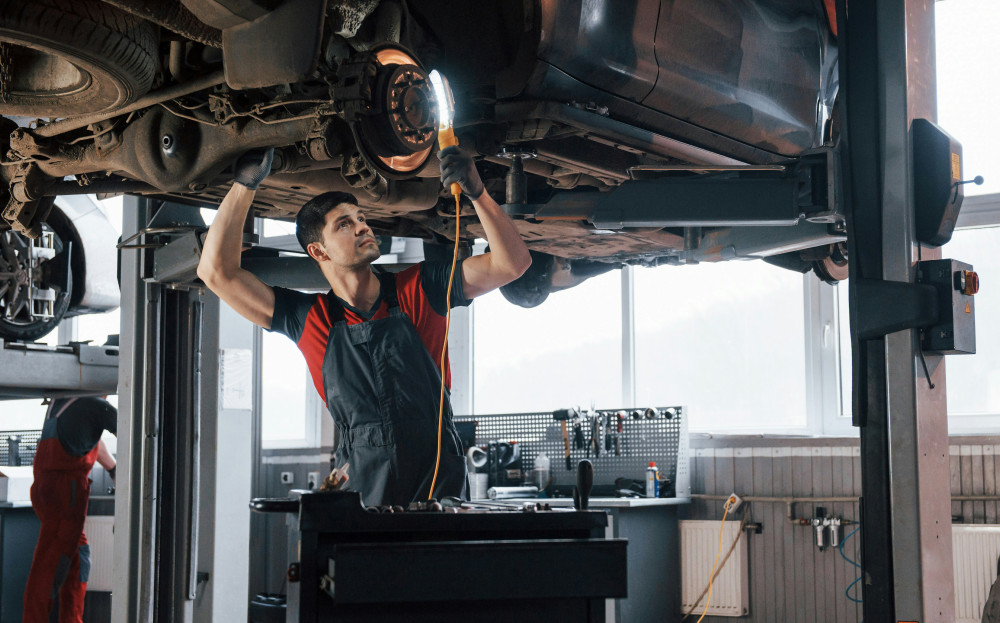
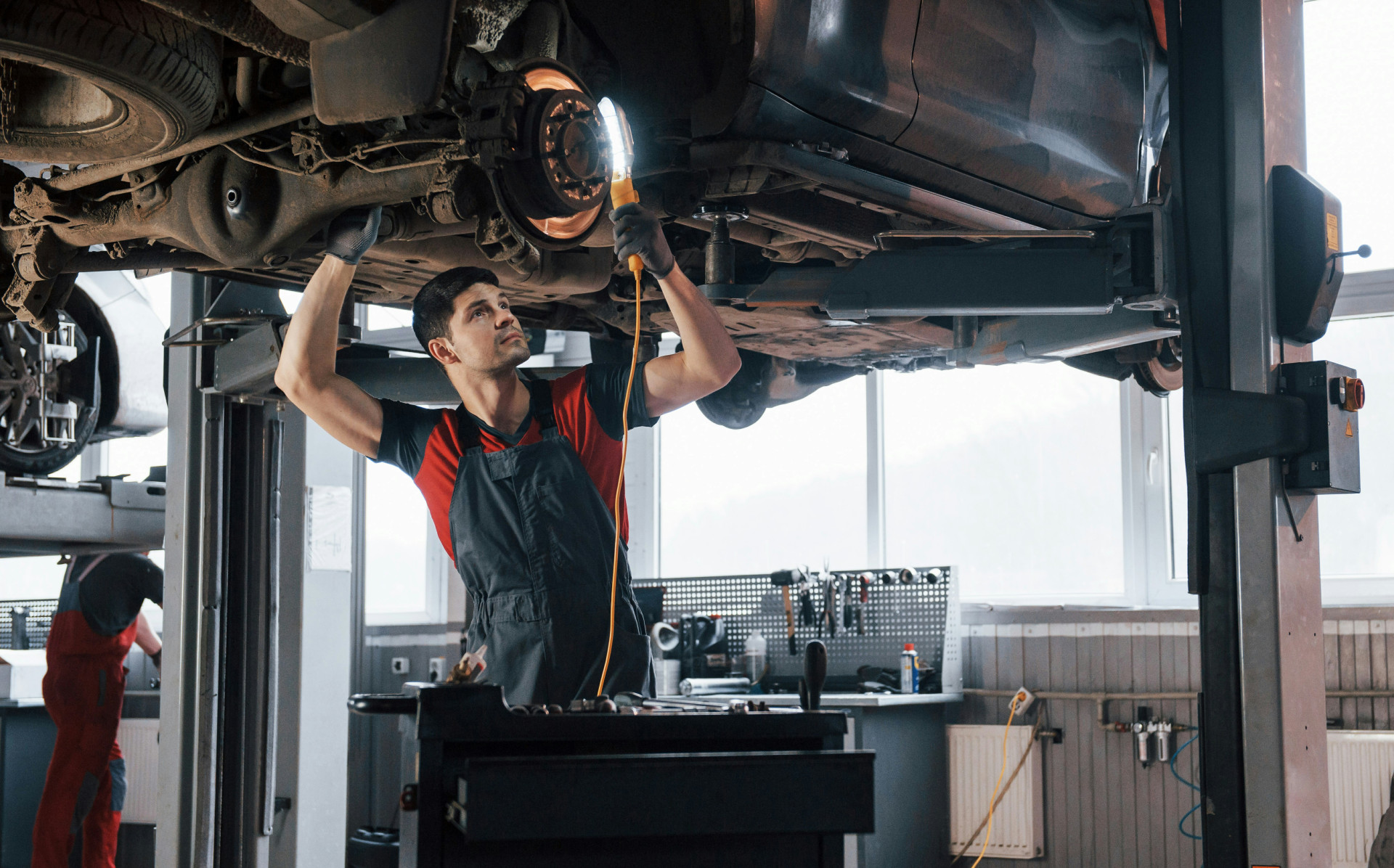
The suspension system consists of springs, shock absorbers, and various linkages that work together to absorb bumps and keep the car stable. The springs handle the larger movements, while the shock absorbers control how quickly those movements occur. Without properly functioning shock absorbers, the car will bounce and sway, and the tyres can lose grip when braking or turning.
A well-maintained suspension system doesn’t just make for a smoother ride – it’s also a key part of your car’s safety. Systems such as ABS and electronic stability control rely on the tyres maintaining firm contact with the road surface.
Common Signs of Wear
Shock absorbers and suspension components wear out over time, especially if you frequently drive on rough roads or carry heavy loads. Here are some of the most common symptoms to watch for:
- The car bounces or dips when braking or accelerating.
- Uneven tyre wear, particularly if one side of the tyre wears faster.
- Knocking or clunking noises from the corners of the car when driving over bumps.
- Poor stability at speed – the car feels unsettled or “floaty” on the motorway.
- Longer braking distances and reduced grip when cornering.
If you notice one or more of these signs, it’s wise to have your car inspected by a qualified mechanic. They can quickly determine whether the shock absorbers or springs need replacing.
How to Test Shock Absorbers Yourself
There’s a simple test you can do at home: press down firmly on one corner of the car and release. If the car bounces more than once, the shock absorbers may be worn. However, this test is only a rough guide – modern cars often have complex suspension systems where wear isn’t always easy to detect this way.
Another thing to look for is oil leakage on the shock absorbers. If you see greasy patches or oil on the surface, it’s a clear sign that the seals are leaking and the unit should be replaced.
How Often Should They Be Replaced?
There’s no fixed rule, but as a general guideline, shock absorbers should be checked after around 50,000–60,000 miles. If you regularly drive on poor road surfaces, tow a caravan, or carry heavy loads, they may wear out sooner. Many UK garages offer free or low-cost suspension checks as part of routine servicing – a small investment that can make a big difference to safety and comfort.
The Consequences of Driving with Worn Shock Absorbers
Ignoring worn shock absorbers can have more serious consequences than just an uncomfortable ride. The car loses grip, braking distances increase, and the risk of aquaplaning rises. Tyres and other suspension components also wear out faster because the system can no longer distribute loads evenly. In the long run, delaying repairs can end up costing more than fixing the problem early.
Prevention and Maintenance
Although shock absorbers and springs don’t require regular maintenance, you can extend their lifespan with a few simple habits:
- Slow down over speed bumps and potholes.
- Avoid overloading the car.
- Have the wheel alignment checked if you hit a pothole or kerb hard.
- Ask your garage to inspect the suspension at every service.
By responding to early warning signs and having the system checked regularly, you can ensure your car maintains its handling – and that you stay safe and comfortable on the road.
Læs også:


A Small Effort with a Big Impact
Shock absorbers and suspension may not be the most visible parts of your car, but they have a major impact on safety, comfort, and running costs. A regular check can prevent expensive repairs and unpleasant surprises on the road. So next time your car feels a little different than usual, take it as a signal – it might be time to give your suspension the attention it deserves.
Læs også: