From the Racetrack to the Road: How Motorsport Technology Shapes Everyday Cars

From the Racetrack to the Road: How Motorsport Technology Shapes Everyday Cars
When a Formula 1 car roars past at over 200 mph, it might seem worlds apart from the car parked on your driveway. Yet the connection between the two is closer than you might think. Many of the innovations that make modern cars safer, more efficient and more enjoyable to drive were first tested under the extreme conditions of motorsport. From advanced braking systems to aerodynamic design, the technology born on the track often ends up improving the cars we use every day.
From Experiment to Everyday Use
Motorsport has long served as a testing ground for the automotive industry. Engineers push materials, engines and systems to their limits, learning what works best when performance and reliability are non‑negotiable. Once proven, these technologies are refined and adapted for road use.
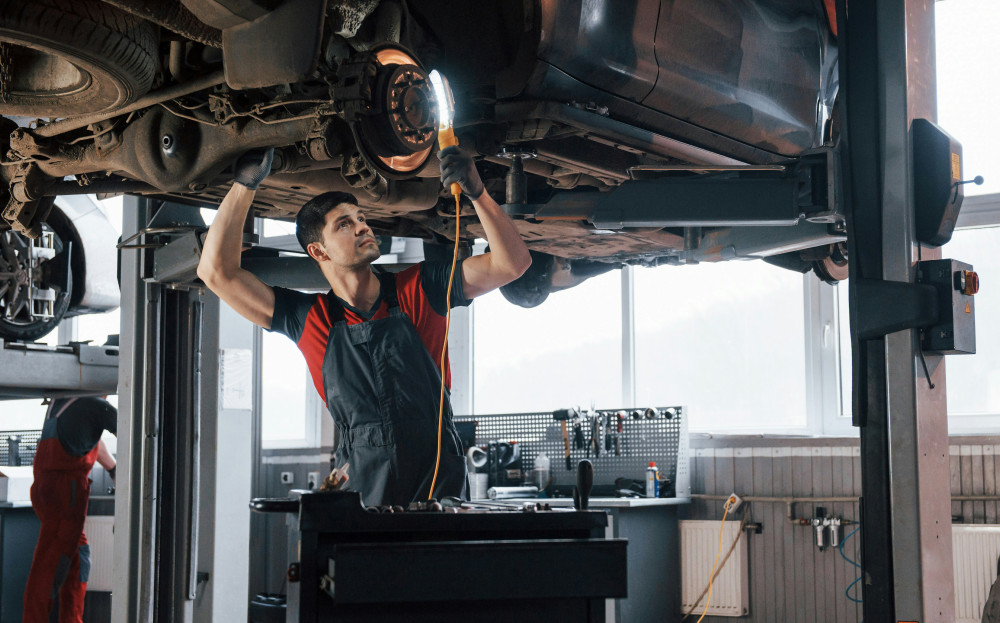
A classic example is the disc brake. Originally developed for racing in the mid‑20th century, it replaced drum brakes that overheated under repeated heavy braking. Today, disc brakes are standard on virtually every car sold in the UK.
Another innovation is fuel injection, perfected in racing to deliver precise control over engine performance. It has since made road cars more powerful, more responsive and more fuel‑efficient.
Aerodynamics – The Art of Cutting Through Air
Every curve and wing on a Formula 1 car is designed to manage airflow. The same principles now guide the design of everyday vehicles. Manufacturers use wind tunnels and computer simulations to reduce drag and improve stability, resulting in cars that consume less fuel and produce less noise at motorway speeds.
Even subtle details – a smoother underbody, a carefully shaped rear spoiler or flush door handles – can make a measurable difference. Electric vehicles have taken this even further: to maximise range, engineers apply aerodynamic lessons learned from racing, focusing on efficiency rather than outright speed.
Materials from the Track
Weight is the enemy of both speed and efficiency. Motorsport has long relied on carbon fibre and aluminium to reduce mass without sacrificing strength. These materials are now increasingly common in road cars, particularly electric ones, where lower weight means greater range.
While carbon fibre remains expensive, it’s appearing more often in body panels, wheels and interior components. Aluminium, meanwhile, has become a staple in engine blocks and chassis construction, offering an ideal balance between lightness and durability.
Læs også:


Safety Systems with Racing Roots
The high‑risk nature of motorsport has driven major advances in safety. Anti‑lock braking systems (ABS) were first tested in racing to prevent wheels from locking under heavy braking. Today, ABS is mandatory on all new cars sold in the UK.
Similarly, electronic stability control (ESC) and traction control originated in motorsport, where maintaining grip and control is vital. These systems now help everyday drivers stay safe on wet or icy roads. Even seatbelt pre‑tensioners and crumple zones owe their development to lessons learned from protecting racing drivers in high‑speed crashes.
Data and the Digital Revolution
Modern racing is as much about data as it is about driving. Teams collect vast amounts of information from sensors monitoring everything from tyre temperature to engine load. This data‑driven approach has filtered down to road cars in the form of advanced driver‑assistance systems and vehicle monitoring.
Features such as adaptive cruise control, automatic emergency braking and lane‑keeping assist rely on sensor and software technology that was first developed to give racing teams real‑time feedback. Today, these systems make driving safer and less stressful for everyone.
The Future – Still Driven by Motorsport
Even as the automotive world shifts towards electrification and sustainability, motorsport remains a vital innovation hub. Formula E and other electric racing series are testing grounds for new battery technologies, rapid charging systems and energy‑recovery solutions. What’s proven on the track today could soon power the next generation of electric cars on British roads.
Motorsport is no longer just about speed – it’s about progress. It continues to push the boundaries of what’s possible, ensuring that every breakthrough on the circuit eventually benefits drivers everywhere. The next time you start your car, remember: a little bit of racing heritage is built into every journey.
Læs også: