Responsibility and Rules: What You Need to Know Before Getting a Pet at Home


Responsibility and Rules: What You Need to Know Before Getting a Pet at Home
Bringing a pet into your home can be one of life’s greatest joys – a loyal companion, a source of comfort, and a new member of the family. But it also comes with serious responsibilities. Animals depend on us for their wellbeing, and as an owner, you have both a moral and legal duty to care for them properly. Before you decide to get a pet, it’s important to understand what that commitment really means. Here’s what you need to know before welcoming a furry, feathered or scaly friend into your home.
A Living Being – Not a Toy
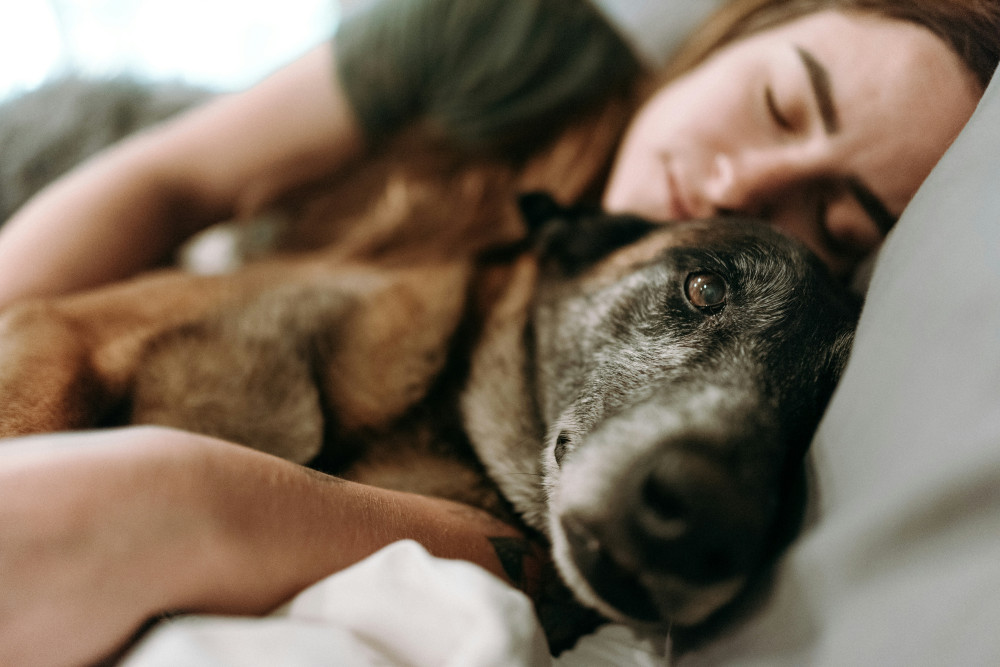
The first thing to remember is that a pet is not a possession, but a living creature with needs, instincts and emotions. Whether you choose a dog, cat, rabbit or reptile, your pet will require daily care, attention and affection. Many animals live for 10–15 years or more, so this is not a short-term decision.
Think carefully about your lifestyle. Do you have time for daily walks, feeding, cleaning and play? Pets that are left alone too often can become anxious or develop behavioural problems. It’s your responsibility to make sure your pet has a good quality of life – every single day.
The Law and Registration
In the UK, animal welfare is protected by the Animal Welfare Act 2006, which makes it an offence to cause unnecessary suffering to any animal. As an owner, you have a legal duty to meet your pet’s “five welfare needs”: suitable environment, suitable diet, ability to exhibit normal behaviour, housing with or apart from other animals as appropriate, and protection from pain, suffering, injury and disease.
There are also specific rules for certain animals:
- Dogs must be microchipped and registered on an approved database by the time they are eight weeks old. They must wear a collar with the owner’s name and address when in public.
- Cats will be legally required to be microchipped in England from June 2024, and owners must keep their contact details up to date.
- Exotic pets such as snakes, parrots or lizards may require special licences under the Dangerous Wild Animals Act 1976. Some species are banned altogether.
- Farm animals like chickens, goats or pigs kept as pets must be registered with the Department for Environment, Food and Rural Affairs (Defra), even if they are not kept for commercial purposes.
It’s your duty to check the specific regulations for the species you plan to keep.
Costs and Insurance
Owning a pet can be more expensive than many people expect. Beyond food and equipment, you’ll need to budget for vet bills, vaccinations, flea and worm treatments, and possibly boarding or pet-sitting when you go away. Unexpected illness or injury can be costly, so pet insurance is strongly recommended.
For dog owners, third-party liability insurance is essential – it covers you if your dog causes injury or damage. Some home insurance policies include this, but it’s worth checking the details. Even if not legally required for other pets, insurance can save you from large, unexpected expenses.
Consideration for Neighbours and the Community
Being a responsible pet owner also means being considerate of others. Dogs must be kept on a lead in public places unless signs indicate otherwise, and you must always clean up after them. Cats should not cause nuisance to neighbours by fouling gardens or damaging property. If you keep chickens or other animals outdoors, make sure they don’t create excessive noise or odour.
If you rent your home, check your tenancy agreement – many landlords have restrictions on pets. Similarly, housing associations or leasehold properties may have their own rules about keeping animals.
Adoption or Purchase – Choose Wisely
Think carefully about where you get your pet. Animal shelters and rescue centres across the UK have many animals looking for loving homes, and adoption can be a rewarding and ethical choice. If you decide to buy from a breeder, make sure they are reputable and licensed by the local council. Avoid buying animals from online adverts or sellers who won’t let you see the conditions in which the animals are kept.
A healthy pet should be alert, clean, and show no signs of illness. Always ask to see health records, vaccination certificates and, if relevant, pedigree papers.
Læs også:
When Life Changes
Life doesn’t always go as planned. Moving house, illness or financial difficulties can make it hard to keep a pet. In such cases, it’s vital to act responsibly – never abandon or neglect an animal. Contact a local rescue centre or charity that can help with rehoming.
It’s also wise to plan ahead: who will look after your pet if you fall ill or go on holiday? Having a care plan in place is part of being a responsible owner.
A Commitment That Brings Joy
Owning a pet takes time, money and dedication – but the rewards are immense. Pets bring companionship, comfort and happiness to our lives. When you understand the responsibilities and follow the rules, you’re not just getting a pet – you’re building a lasting bond based on trust and care.
A pet is not just a choice; it’s a promise – a promise of love, respect and lifelong responsibility.
Læs også: