Keep Training Fun – Vary Rewards and Exercises

Keep Training Fun – Vary Rewards and Exercises
Training your pet should be a positive experience – for both of you. Whether you’re working with a dog, cat, or another companion animal, training is about communication, trust, and enjoyment. But even the most enthusiastic pet can lose interest if the sessions become too repetitive. That’s why variety and rewards are key to keeping training fun and effective.
Why Variety Matters
Animals learn best when they’re engaged. Repetition is essential for mastering new skills, but too much of the same thing can lead to boredom. When motivation drops, focus does too – and progress slows down.
By mixing up your exercises, you keep your pet mentally stimulated. Try alternating between obedience tasks, scent games, balance challenges, or puzzle toys. Variety keeps your pet’s brain active and makes learning more enjoyable.
Switch Up the Rewards
Rewards are at the heart of positive training. But just like exercises, they can lose their impact if they never change. To keep your pet motivated, try rotating between different types of rewards:
- Tasty treats – small, irresistible bites that your pet loves.
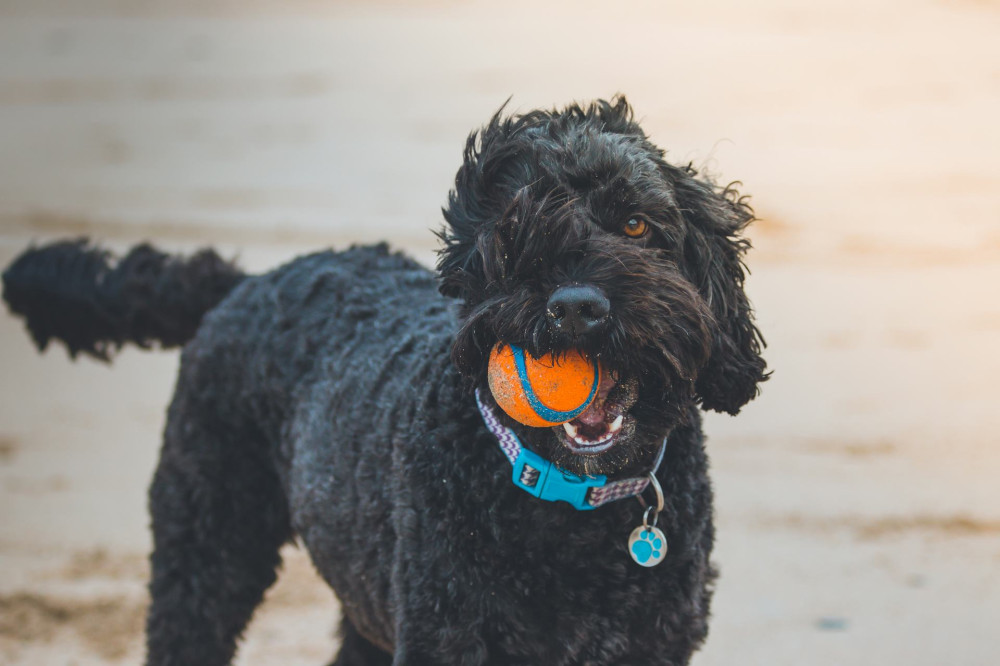
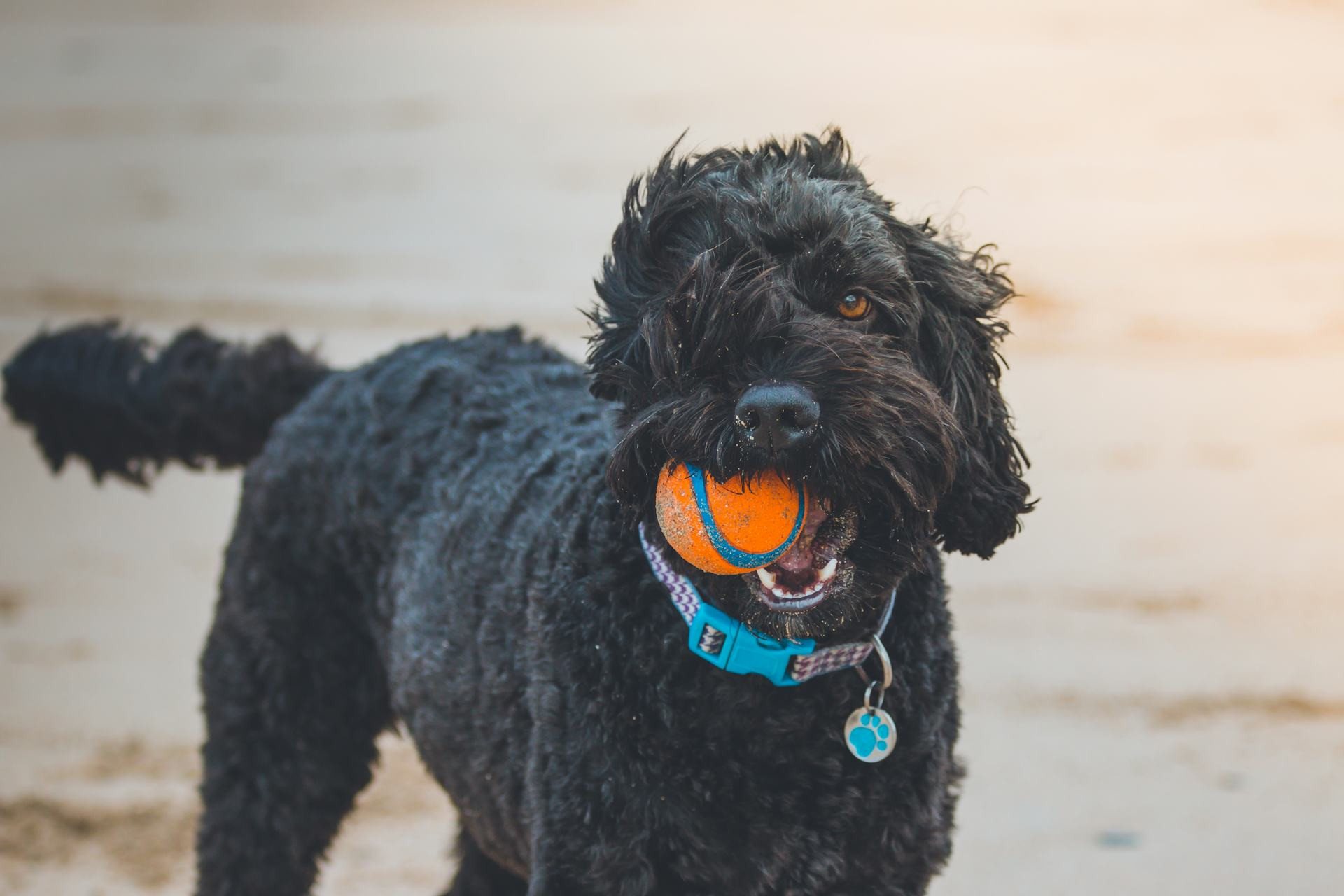
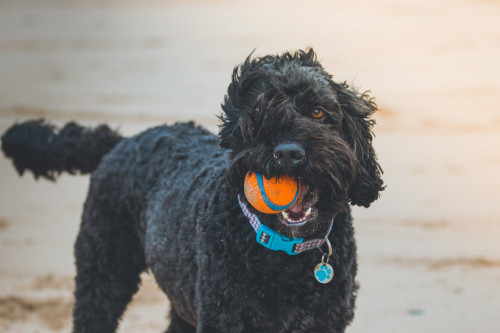
- Playtime – a quick game of fetch or tug can be a powerful motivator, especially for dogs.
- Praise and affection – a cheerful voice, a gentle stroke, or a smile can mean a lot.
- Freedom – for some pets, being allowed to explore or run off-lead safely is the best reward of all.
By varying rewards, you make training unpredictable and exciting. Your pet never quite knows what’s coming next – and that keeps them eager to participate.
Turn Training into Play
Training doesn’t always have to feel like a formal lesson. You can easily weave it into everyday life. Ask your dog to sit before crossing the road, or practise recall in the park. For cats, clicker training can be a fun way to teach tricks or make grooming easier.
Play is a natural way for animals to learn. When you combine play and training, it becomes a shared activity that strengthens your bond.
Match the Pace to Your Pet
Every animal learns at its own speed. Some pick up new skills quickly, while others need more time and repetition. The key is to keep sessions positive and end on a high note. Short, enjoyable sessions are far more effective than long, tiring ones.
Watch for signs of fatigue or frustration – if your pet loses focus, it’s time for a break. A good rule of thumb is to stop while things are still going well.
Build a Routine with Flexibility
While variety keeps things interesting, animals also benefit from predictability. A regular training routine helps create a sense of security and anticipation. You might train for 10–15 minutes a day, but change the exercises and rewards each time. That way, you get the best of both worlds: structure and freshness.
Læs også:

Training as Shared Joy
When training feels like play, it strengthens more than just your pet’s skills – it deepens your relationship. You learn to read your pet’s signals, and your pet learns to trust you. It becomes a partnership built on respect and enjoyment – and that’s what good training is all about.
So next time you train, remember: mix up the exercises, vary the rewards, and enjoy the process. It’s not just about the results – it’s about having fun along the way.
Læs også: