Special Suits in the Deep: Professional Divers’ Equipment and Use

Special Suits in the Deep: Professional Divers’ Equipment and Use
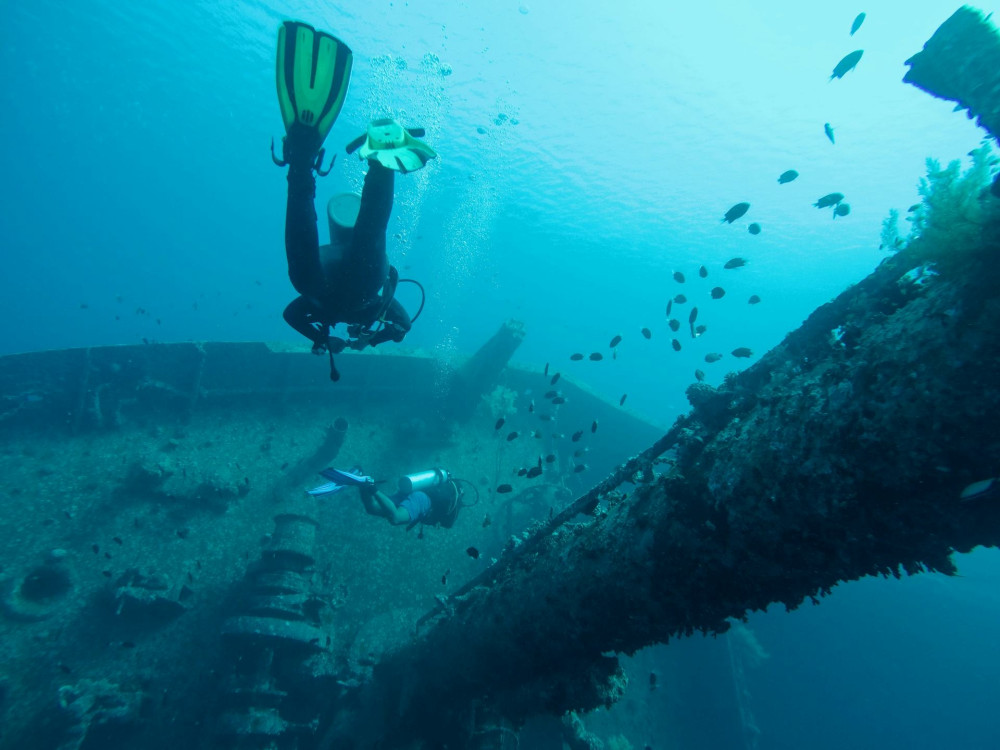
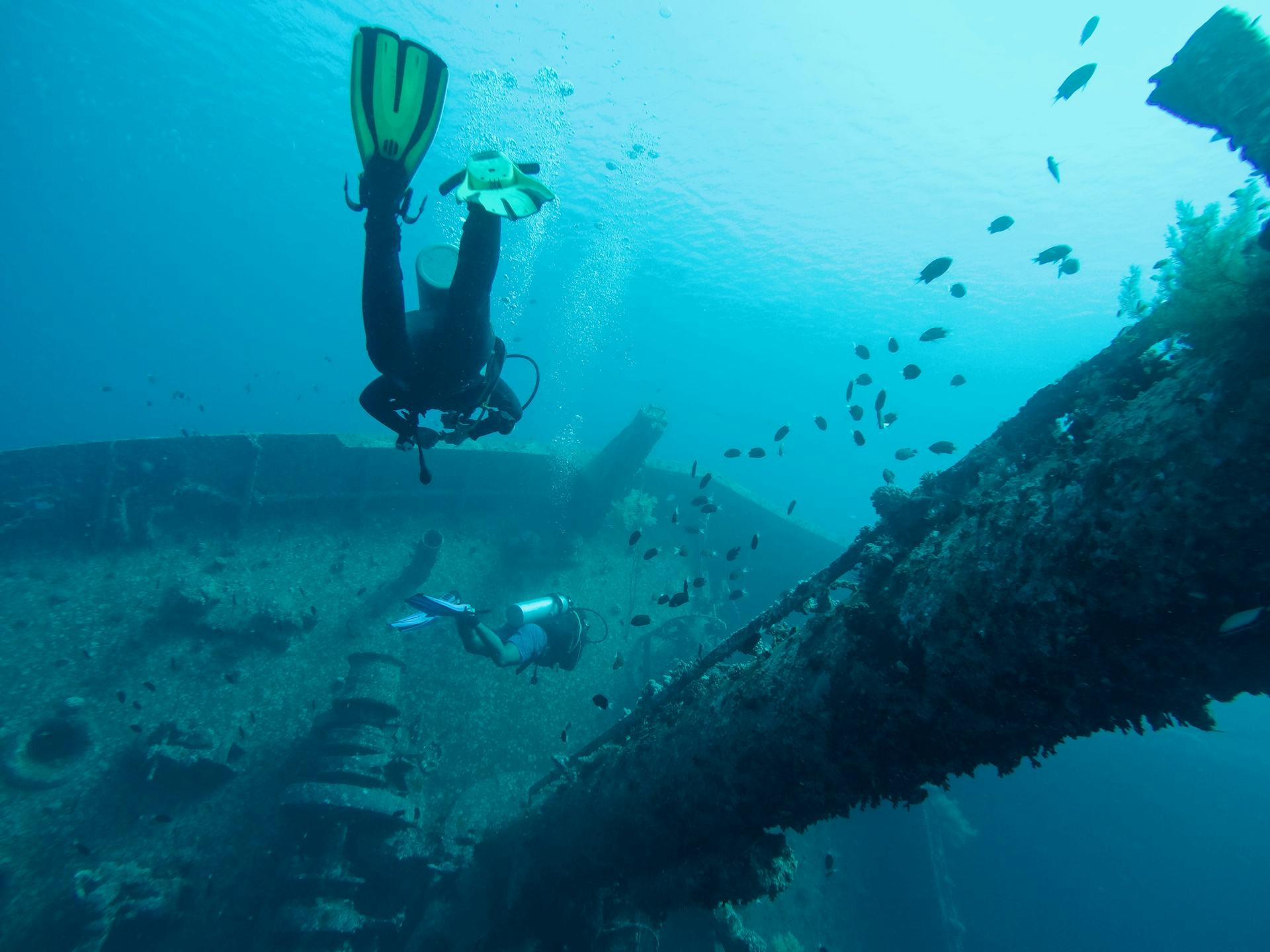
When humans descend beneath the waves, they enter an environment that challenges every aspect of the body. Pressure, temperature, and the absence of breathable air make the deep sea one of the most hostile places on Earth. For professional divers, success depends not only on skill and training but also on the equipment that keeps them alive. From offshore engineers to scientific researchers and rescue specialists, divers rely on advanced suits designed to protect them from cold, pressure, and contamination. This article explores how these suits work and how they are used in professional diving across the UK and beyond.
From Wetsuit to Atmospheric Suit – Different Types of Diving Gear
No single suit fits every purpose. The choice depends on depth, water temperature, and the nature of the task.
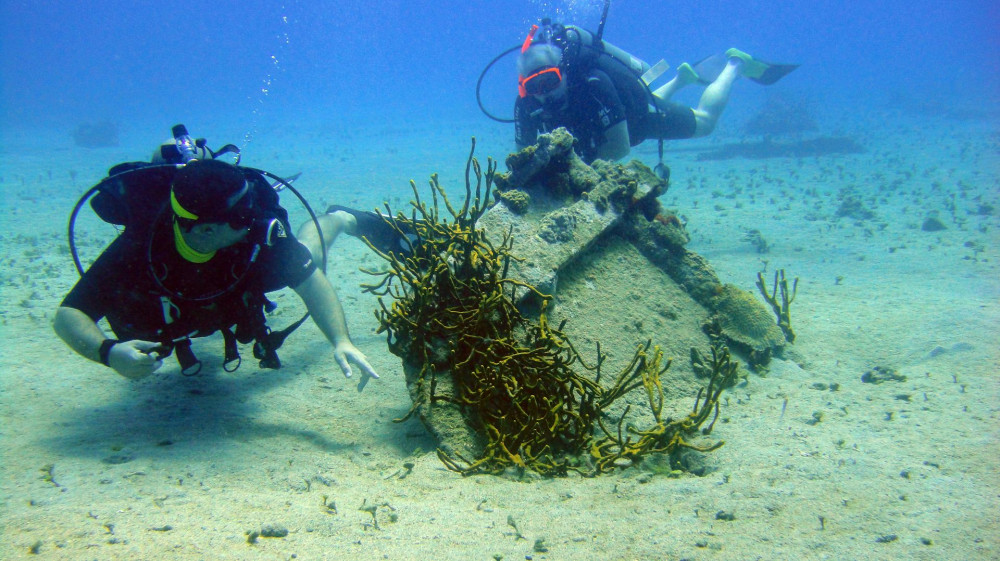
- The wetsuit is the most familiar type, commonly used for recreational diving and shallow-water work. Made from neoprene, it traps a thin layer of water between the suit and the skin, which the body warms up to provide insulation.
- The drysuit is essential for colder waters such as those around the British Isles. It keeps the diver completely dry using watertight seals and zips, with thermal undergarments worn underneath for warmth. Commercial divers often use heavy-duty drysuits made from reinforced materials to withstand long hours underwater.
- Atmospheric diving suits (ADS) are the most advanced. These rigid, pressurised exoskeletons allow divers to work at extreme depths where water pressure would otherwise be lethal. The suit maintains surface-level pressure inside, effectively turning the diver into a one-person submersible.
Each type of suit has its advantages and limitations, and professional dive teams select their equipment according to the specific demands and safety requirements of each mission.
Læs også:


Materials Built to Withstand the Sea
Modern diving suits are the result of decades of innovation. While neoprene and rubber remain common, professional suits now incorporate advanced laminates and composite materials for durability and flexibility.
Commercial drysuits are often made from trilaminate fabric, a three-layer material that combines strength, waterproofing, and ease of movement. Seams are welded or glued to prevent leaks, and zips are pressure-sealed using metal or reinforced plastic systems.
In hazardous environments—such as contaminated harbours, sewage systems, or oil platform maintenance—divers wear chemically resistant suits. These are coated with protective layers that prevent toxic substances from penetrating and can be thoroughly decontaminated after use.
Life Support and Communication Underwater
A professional diving suit is part of a much larger system. Most commercial divers use surface-supplied air, delivered through an umbilical cable that also carries communication lines and sometimes hot-water hoses.
Communication is vital. Built-in microphones and speakers in the diver’s helmet allow constant contact with the surface team, who monitor air supply, depth, and time. This link ensures that instructions can be given instantly and that any problem can be addressed before it becomes critical.
In cold or deep-water operations—such as those in the North Sea—divers may use hot-water suits, where warm water is pumped through tubes inside the suit to maintain body temperature during long dives in near-freezing conditions.
Safety and Maintenance
Safety depends not only on the design of the suit but also on how it is maintained and used. Before every dive, professional teams carry out thorough checks: testing seals, valves, and zips, and ensuring that all connections are secure.
After each operation, suits are rinsed in fresh water to remove salt and debris, then dried carefully to prevent mould and material degradation. Regular servicing is mandatory, with seals, valves, and helmets inspected and replaced as needed. Even a small fault can have serious consequences underwater, so maintenance is treated as an essential part of the job.
The Future of Diving Suits
Technology continues to evolve. New materials such as graphene-infused fabrics and smart textiles are being developed to regulate temperature, monitor vital signs, and transmit data in real time. Engineers are also working on lighter, more flexible atmospheric suits that could allow divers to reach greater depths with improved mobility.
At the same time, robotic and remotely operated vehicles (ROVs) are taking on more underwater tasks, from inspection to repair. Yet human divers remain indispensable when precision, adaptability, and judgment are required—qualities no machine can yet replicate.
The Human Element
Despite the sophistication of modern equipment, it is still the person inside the suit who makes the difference. Professional divers combine technical expertise with physical endurance and calm under pressure. They operate in an environment where mistakes can be fatal, and teamwork and trust are paramount.
Special suits make it possible for humans to build, explore, and repair in a world that would otherwise be inaccessible. They stand as a testament to human ingenuity—and to our enduring fascination with the mysterious depths of the sea.
Læs også: