Sleep Well Under the Open Sky: Handle Noise, Cold and Damp with Simple Tricks

Sleep Well Under the Open Sky: Handle Noise, Cold and Damp with Simple Tricks
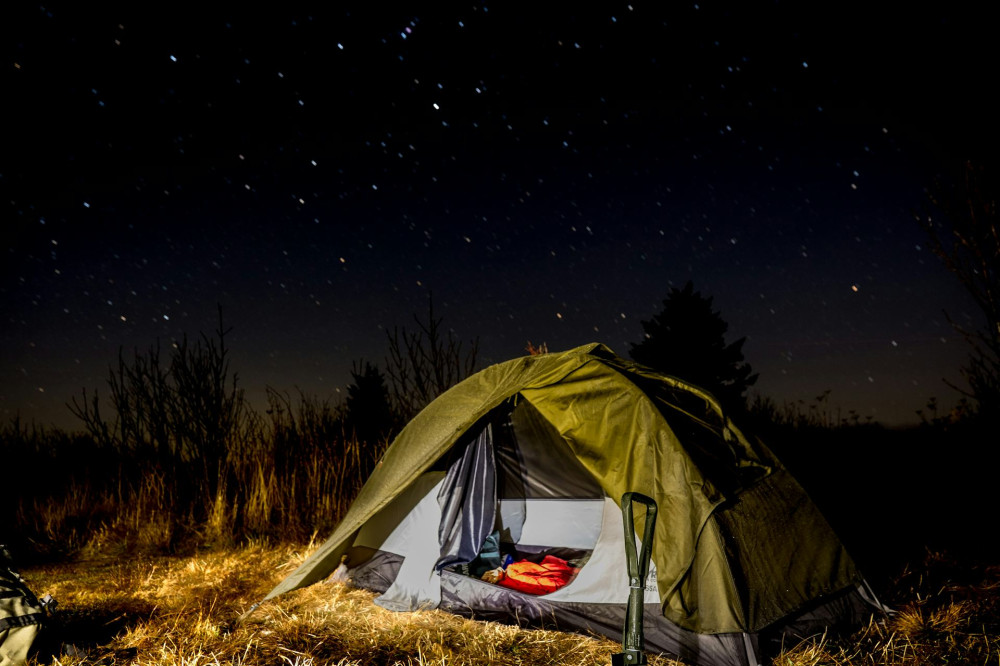
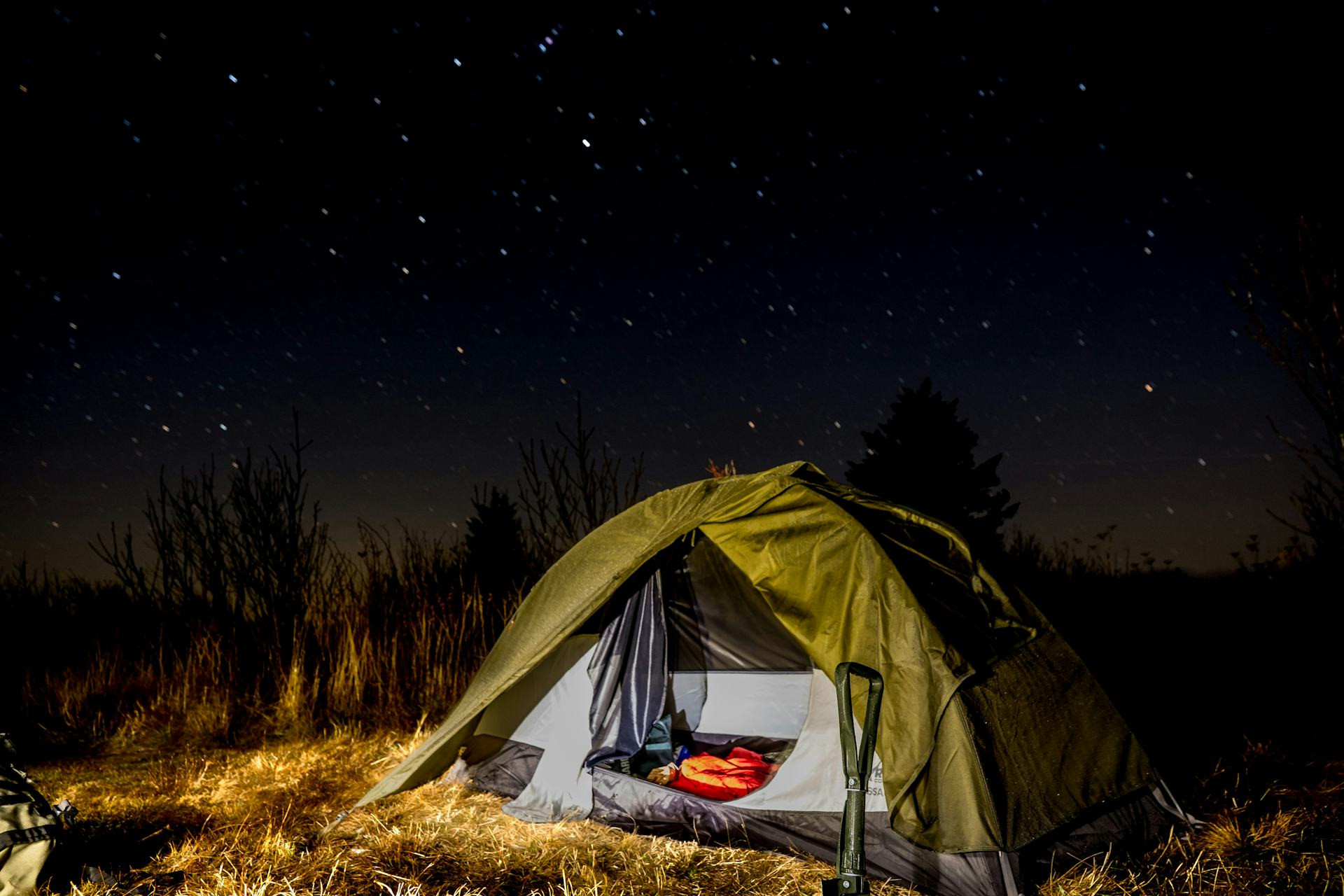
Sleeping under the open sky is one of the most rewarding ways to experience nature. You feel the breeze, hear the night’s sounds, and wake to birdsong and fresh air. But the magic can quickly fade if you’re cold, damp, or kept awake by noise. With a few simple tricks, you can make your night outdoors warm, dry, and peaceful – whether you’re camping in the Lake District, on a Cornish beach, or in the Scottish Highlands.
Find Calm in Nature’s Soundscape
The countryside is rarely silent. Owls, rustling leaves, distant roads, or even the sea can make it hard to drift off. For some, these sounds are soothing; for others, they’re a challenge.
- Use earplugs. Soft silicone or foam plugs can block out unwanted noise without feeling uncomfortable.
- Choose your spot wisely. Avoid pitching up near running water, busy paths, or open fields where the wind carries sound.
- Tune in to the rhythm. If you can’t sleep, focus on the repeating sounds – the wind in the trees or waves on the shore – as a kind of natural meditation.
Once you get used to nature’s soundtrack, it often becomes part of the pleasure rather than a disturbance.
Keep the Cold at Bay
Even in summer, British nights can turn chilly once the sun sets. The ground draws heat from your body, so insulation underneath you is key.
- Invest in a good sleeping mat. An inflatable mat with a decent R-value will keep you much warmer than a thin foam one.
- Match your sleeping bag to the season. Too warm, and you’ll sweat; too cold, and you’ll shiver. Check the comfort rating and choose one suited to the expected night temperature.
- Layer up. Sleep in thin, breathable clothing – merino wool or synthetic fabrics work best. Avoid cotton, which stays damp and cold.
- Protect your head and feet. A hat and dry socks can make a huge difference, as much body heat escapes from these areas.
A handy trick: fill a water bottle with hot water and slip it into your sleeping bag before bed. It’s a simple way to start the night cosy.
Stay Dry – Inside and Out
Dampness is the enemy of a good night’s sleep outdoors. It can come from rain, dew, or your own body heat.
- Pick a dry pitch. Avoid hollows where dew and rain collect. A gentle slope with firm ground is ideal.
- Use a tarp or bivvy. Even if you’re sleeping under the stars, a lightweight cover can protect you from dew or a passing shower. Angle it so water runs off easily.
- Air your sleeping bag. In the morning, hang it in the sun or breeze to dry. It keeps it fresh and extends its life.
- Don’t overheat. If you’re too warm, unzip your bag slightly. Moisture from sweat can be just as uncomfortable as rain.
A dry sleeping area isn’t just more pleasant – it also helps you stay warm and healthy through the night.
Make Camp Comfortable and Safe
Sleeping outdoors isn’t only about technique; it’s also about atmosphere. A well-chosen camp feels both inviting and secure.
- Light a small fire (where permitted) – it provides warmth, light, and a sense of calm.
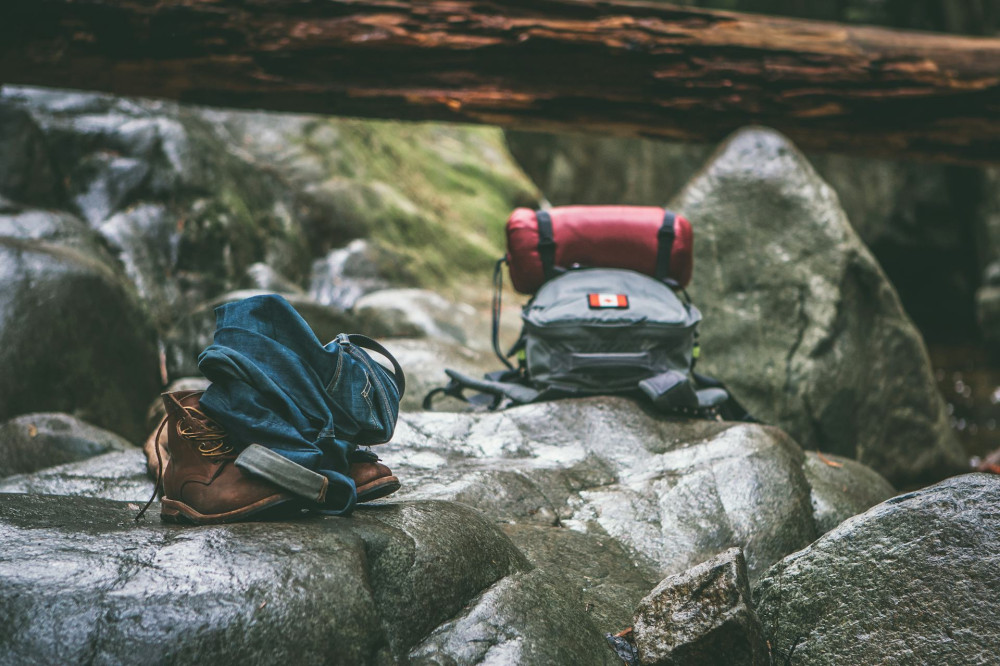
- Keep things organised. Place your shoes, clothes, and rucksack where you can find them easily in the dark.
- Use a mosquito net if you’re sleeping without a tent in summer. It keeps insects away and helps you relax.
When you feel safe and comfortable, you’ll sleep more deeply and wake refreshed for the day ahead.
Læs også:


Sleep Well – and Wake with Nature
Sleeping under the open sky takes a bit of getting used to, but the reward is immense. You’ll feel closer to nature than any hotel or tent can offer. With the right preparation, you can stay warm, dry, and peaceful – and wake to the scent of morning dew and the first light spreading across the landscape.
So next time you pack your rucksack, bring your sleeping bag and try a night beneath the stars. It’s an experience that stays with you – body and soul.
Læs også: