Play, Movement and Wellbeing: How Physical Activity Promotes Children’s Mental and Social Health

Discover how play and movement nurture children’s minds, confidence, and connections
Family
Family
4 min
Physical activity is more than just exercise for children – it shapes their mental health, social skills, and overall wellbeing. Learn how play, movement, and active environments help children grow happier, healthier, and more resilient in today’s screen-filled world.
Gabriel Collins
Gabriel
Collins

Play, Movement and Wellbeing: How Physical Activity Promotes Children’s Mental and Social Health

Discover how play and movement nurture children’s minds, confidence, and connections
Family
Family
4 min
Physical activity is more than just exercise for children – it shapes their mental health, social skills, and overall wellbeing. Learn how play, movement, and active environments help children grow happier, healthier, and more resilient in today’s screen-filled world.
Gabriel Collins
Gabriel
Collins

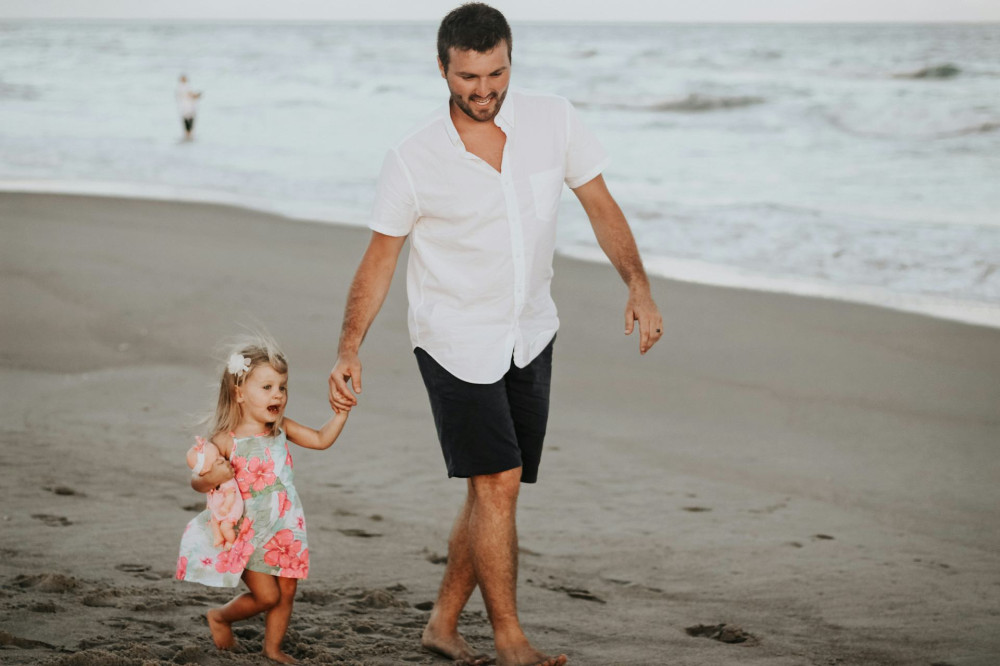
When children run, climb, dance or play football, they are doing far more than simply exercising their bodies. Movement is a vital part of childhood – not only for physical development, but also for building confidence, supporting mental health and forming friendships. In a time when many children spend increasing hours in front of screens, understanding how play and movement contribute to wellbeing has never been more important.

Play as the Foundation for Learning and Growth

Play is how children make sense of the world. Whether they are building dens, playing tag or inventing imaginary games, they are developing creativity, problem-solving skills and cooperation. Research from the UK and beyond shows that children who engage in regular, active play tend to have better concentration, stronger memory and greater curiosity.

Physical activity stimulates the brain. When children move, blood flow increases and the brain releases chemicals that enhance focus and learning. This means that active children often find it easier to absorb new information – both in the classroom and in everyday life.

How Physical Activity Supports Mental Health

Movement has a proven positive effect on children’s mental wellbeing. Exercise releases endorphins and dopamine – the body’s natural “feel-good” chemicals – which can reduce stress and anxiety. For children who may feel pressure from schoolwork or social expectations, physical activity offers a healthy outlet for emotions and energy.

It also builds confidence. Learning to ride a bike, mastering a new dance move or scoring a goal gives children a sense of achievement. These moments of success help them believe in their own abilities – an essential foundation for resilience and self-esteem.

Movement as a Social Connector

Play and movement bring children together. On the playground, in the park or on the sports field, they learn to cooperate, share and resolve conflicts. Team games and group activities teach empathy and communication, helping children understand others’ perspectives.

In the UK, community sports clubs, after-school activities and local parks play a key role in creating these social spaces. When children move and play together, they form friendships that cross backgrounds and personalities, strengthening the sense of belonging that is so important for wellbeing.

How Parents, Schools and Communities Can Encourage Movement

Supporting children’s physical activity is not just about organised sport – it’s about making movement a natural part of daily life.

  • Make it enjoyable – choose activities that match your child’s interests. The goal is fun and engagement, not competition.
  • Allow time for free play – unstructured play helps children develop independence and imagination.
  • Be a role model – when parents walk, cycle or play with their children, it sends a powerful message about the value of being active.
  • Integrate movement into the school day – short activity breaks, outdoor learning or active lessons can boost focus and mood.
  • Use local resources – parks, playgrounds and community centres offer free or low-cost opportunities for children to move and socialise.

Investing in Children’s Future Wellbeing

Encouraging children to move is an investment in their future – physically, mentally and socially. Play and physical activity bring joy, build confidence and strengthen communities.

By prioritising movement in schools, families and neighbourhoods, we are not only helping children stay healthy today – we are nurturing happier, more resilient and more connected young people for the future.

Play, Movement and Wellbeing: How Physical Activity Promotes Children’s Mental and Social Health
Discover how play and movement nurture children’s minds, confidence, and connections
Family
Family
Child Development
Physical Activity
Mental Health
Wellbeing
Education
4 min
Physical activity is more than just exercise for children – it shapes their mental health, social skills, and overall wellbeing. Learn how play, movement, and active environments help children grow happier, healthier, and more resilient in today’s screen-filled world.
Gabriel Collins
Gabriel
Collins
Learning Through Play: How Small Experiments and Quizzes Enrich Everyday Life
Discover how playful learning can spark curiosity and make knowledge stick
Family
Family
Learning
Play
Education
Personal Development
Creativity
3 min
Learning doesn’t have to be serious to be effective. By turning everyday moments into small experiments and fun quizzes, you can boost memory, creativity, and motivation. Explore how play can transform the way both children and adults learn at home, at work, and beyond.
Alfie Price
Alfie
Price
Traditions in Transition: How Families Find the Balance Between the Familiar and the New
How modern families blend cherished customs with new ways of living
Family
Family
Family Life
Traditions
Modern Living
Cultural Change
Generational Connections
6 min
In a time of rapid change, families are reimagining what tradition means. This article explores how households across Britain preserve meaningful rituals while adapting to new generations, cultures, and lifestyles—keeping the spirit of togetherness alive through transformation.
Mary Roberts
Mary
Roberts
Blended Family in Progress: Celebrating the Small Steps Toward a Shared Everyday Life and Rhythm
Finding harmony and connection as two families grow into one
Family
Family
Blended Family
Parenting
Family Life
Relationships
Togetherness
7 min
Building a blended family is a process filled with both challenges and heartwarming moments. This article explores how patience, communication, and small everyday victories can help create a shared rhythm and a sense of belonging in a new family constellation.
Ava Powell
Ava
Powell
Increase Your Training Intensity Safely: How to Avoid Overload
Push your limits the smart way and build lasting strength without risking injury
Interests
Interests
Fitness
Training
Exercise
Health
Recovery
3 min
Learn how to safely increase your training intensity and avoid the pitfalls of overtraining. This guide helps you balance challenge and recovery so you can make steady, sustainable progress toward your fitness goals.
Edie Ferguson
Edie
Ferguson
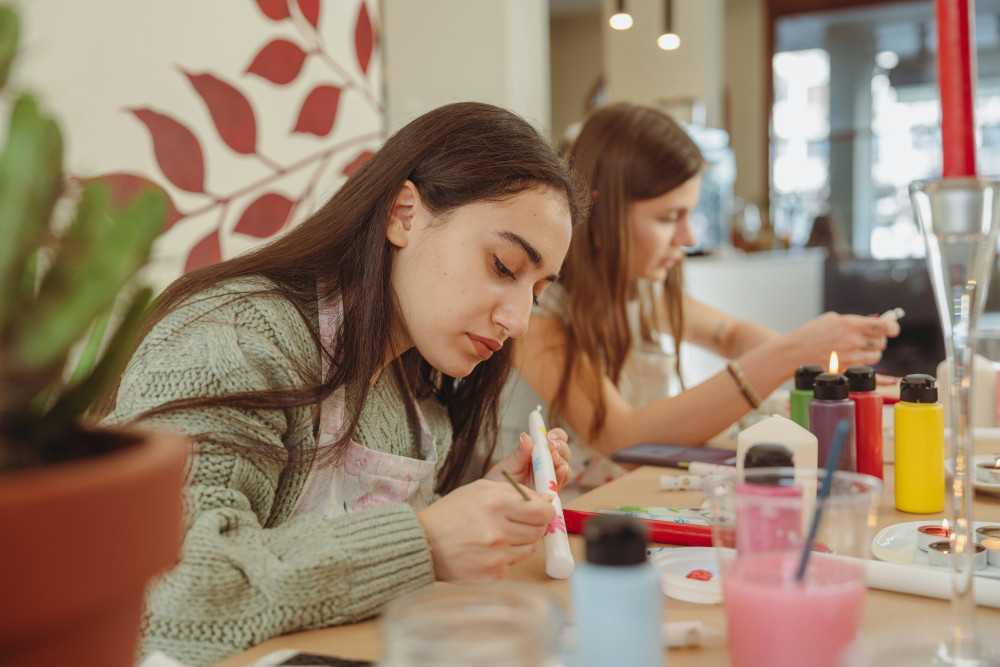
Various hobby paints from well-known brands
Unleash your creativity with the right colours and materials
Interests
Interests
Hobby paint
Creative hobby
Acrylic paint
DIY
Art and crafts
6 min
Hobby paint comes in many varieties for different materials and projects. In this article, you’ll get an overview of types, properties and well-known brands, so you can choose the paint that suits your creative ideas.
Gabriel Collins
Gabriel
Collins
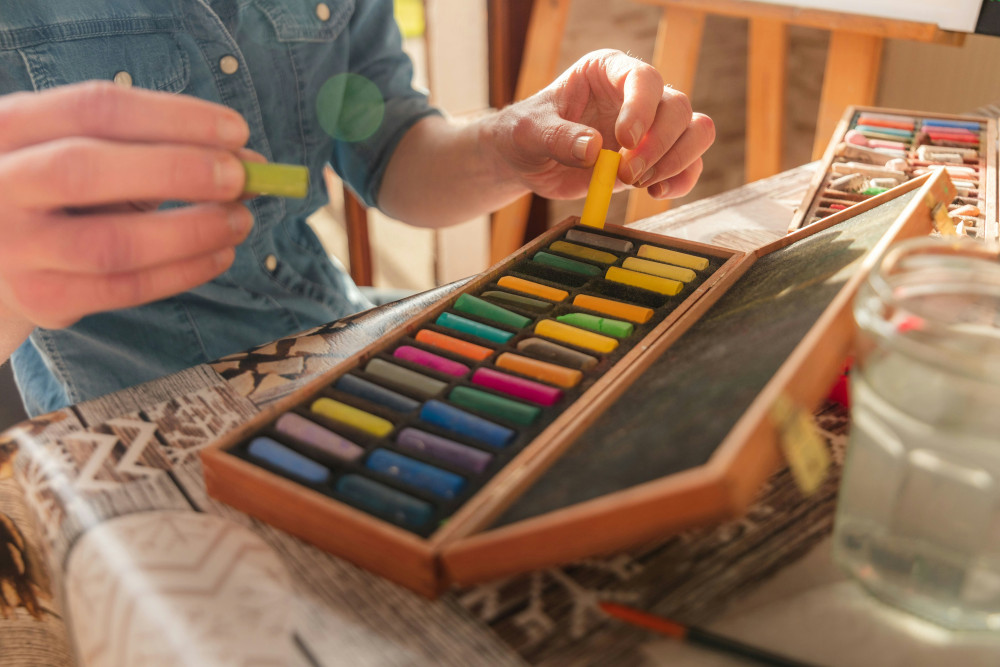
Watercolour crayons: A closer look at colours, texture and quality
Unleash your creativity with colours that unite chalk and watercolour
Interests
Interests
Watercolour crayons
Creative hobby
Painting
Art materials
Colour techniques
2 min
Watercolour crayons combine the best of coloured chalk and watercolour paint. Get an overview of colours, texture and quality, and learn what to consider before choosing the set that suits your creative style.
Alfie Price
Alfie
Price