Learn Together as a Family: Experiences That Strengthen Both Young and Old

Learn Together as a Family: Experiences That Strengthen Both Young and Old
Learning together as a family isn’t just about homework or school projects. It’s about sharing experiences, discovering new things, and growing side by side – as children, parents, and even grandparents. When families learn together, they build shared memories, strengthen their bonds, and nurture curiosity that lasts a lifetime. Here are some ideas for experiences that both entertain and enrich.
Learning Through Experiences
Children learn best when they are engaged and hands-on – and the same is true for adults. Experiential learning is a wonderful way to bring the family closer. It could be anything from baking bread from scratch to building a bird feeder or visiting a museum.
When you learn together, the usual roles can shift – parents become learners, and children might take the lead. This creates a sense of teamwork and mutual respect across generations.
Nature as a Classroom
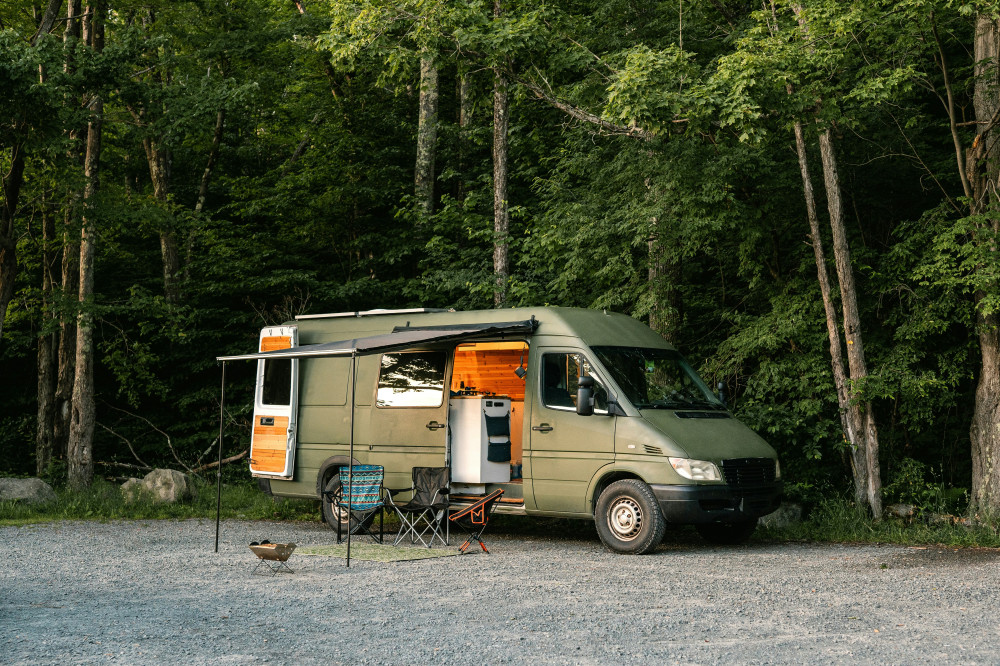
The great outdoors is one of the best places to learn together. It offers space for play, curiosity, and reflection. Go for a walk in the woods or along the coast, and let the children collect leaves, shells, or stones to examine later. You could even start a small nature journal to record what you see and learn.
- Create your own mini biology lesson: Identify the birds in your local park and try to recognise their songs.
- Build a bug hotel: A fun and educational project that also helps local wildlife.
- Go stargazing: On a clear night, learn about constellations and planets – perhaps with the help of a stargazing app.
Nature offers a perfect mix of movement, knowledge, and togetherness – and it doesn’t require expensive equipment or long trips.
Læs også:




Creative Projects at Home
Learning doesn’t have to happen outdoors. Your home can be a wonderful place for shared projects that spark imagination and cooperation.
- Cooking as learning: Let the children help plan and prepare dinner. They’ll learn about ingredients, measurements, and flavours – and gain a sense of responsibility.
- Build something together: A birdhouse, a bookshelf, or a small garden shed. It teaches practical skills and gives everyone pride in the finished result.
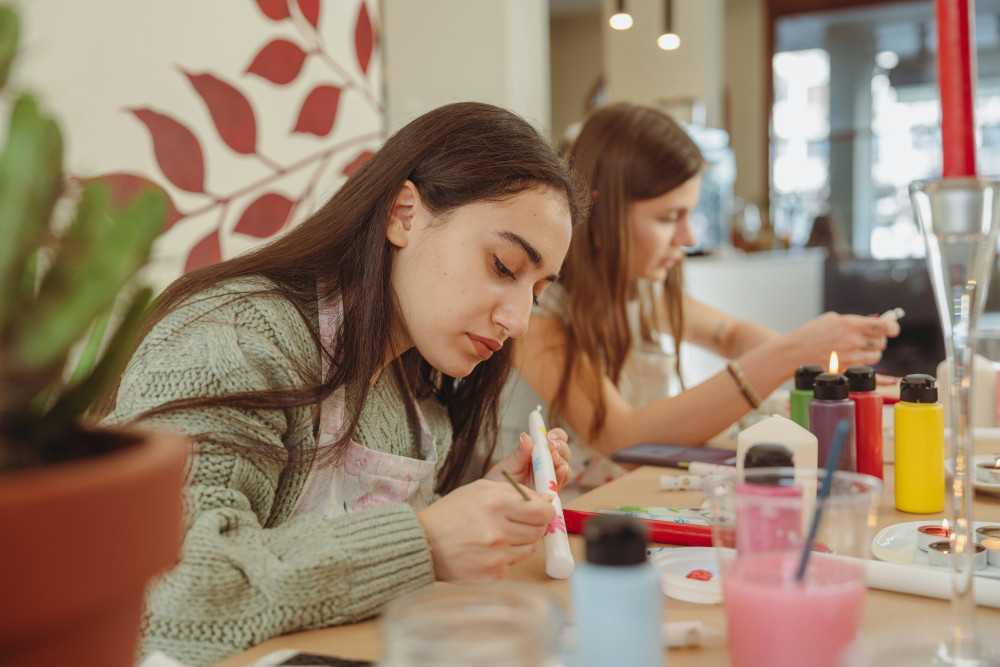
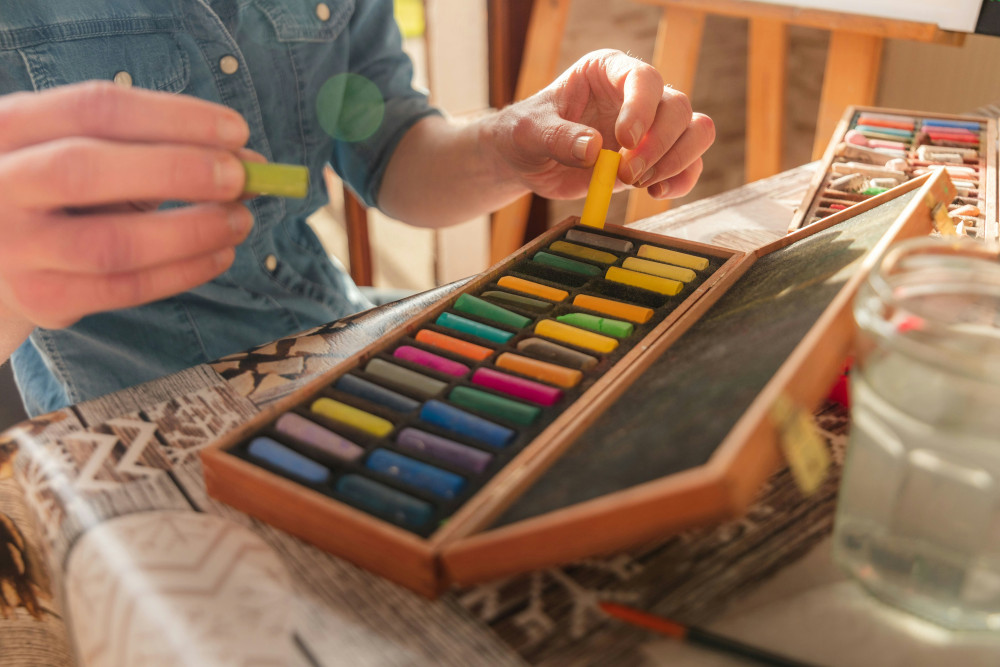
- Creative workshops: Paint, draw, craft, or build with recycled materials. It’s not about perfection – it’s about the process and the time spent together.
When you create something as a family, learning becomes tangible – and you’re left with something to remind you of the experience.
Culture and History for All Ages
Museums, heritage sites, and cultural events can be treasure troves of shared learning. Many places across the UK offer family-friendly activities where children can touch, try, and ask questions.
- Visit an open-air museum to experience what life was like in the past.
- Take a city walk in your own town – you might notice details you’ve never seen before.
- See a family theatre show or concert and talk afterwards about what you experienced.
Cultural experiences come alive when shared. They help children understand history and society – and adults often rediscover forgotten knowledge along the way.
Everyday Learning
Even the smallest moments in daily life hold opportunities for learning. When shopping, children can help calculate prices. When watching the news, you can discuss what’s happening in the world. And when walking to school, you can observe nature or architecture and ask questions together.
The most important thing isn’t what you learn, but that you do it together. Curiosity and a desire to understand the world are contagious – and they’re gifts children carry with them into adulthood.
Shared Learning Strengthens Relationships
When families learn together, a special kind of closeness develops. You discover new sides of each other, laugh over mistakes, and celebrate small successes. It builds trust, respect, and memories that last.
In the end, learning together as a family is about being present. It’s about sharing time, experiences, and curiosity. It’s not only the children who grow from it – the adults do too.
Læs også: