Comfortable Fishing: Choose Ergonomic Gear That Suits Your Body


Comfortable Fishing: Choose Ergonomic Gear That Suits Your Body
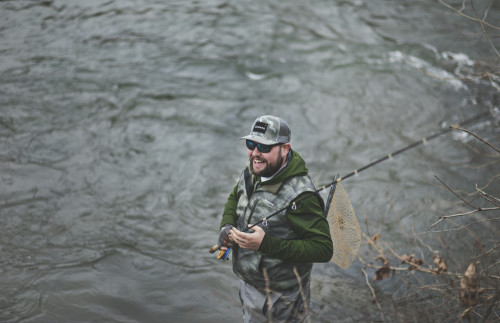
Fishing isn’t just about patience and skill – it’s also about comfort. Spending long hours by the water can be a joy, but without the right equipment, it can quickly become a strain on your back, shoulders, and hands. Ergonomic fishing gear is designed to support your body, so you can enjoy the experience without pain or fatigue. Here’s a guide to choosing equipment that fits you and your body.
Why Ergonomics Matter
When you fish, you repeat the same movements over and over again – casting, reeling, lifting, and holding. It might seem harmless, but over time it can cause tension in your neck, shoulders, and wrists. Ergonomic gear is designed to reduce strain and distribute weight more evenly, allowing you to fish longer and more comfortably.
A good ergonomic setup isn’t just about one piece of equipment – it’s about how everything works together. Your rod, reel, chair, clothing, and accessories should all help you maintain a natural, relaxed posture.
Choosing the Right Rod
Your fishing rod is your most important tool, and its weight, length, and balance all affect how comfortable it is to use.
- Weight and balance: A lightweight rod reduces strain on your wrist and forearm. Look for a model where the weight is evenly distributed between the handle and the tip – it makes casting smoother and easier to control.
- Handle shape: An ergonomic handle made from cork or EVA foam provides a better grip and reduces the risk of blisters. Some rods have moulded handles that follow the natural curve of your hand.
- Length: Choose a rod that suits your height and fishing style. A rod that’s too long can force you to lift your arm too high, while one that’s too short can lead to poor posture.
The Reel – Small but Significant
A good reel should be efficient and easy to handle. A reel that’s too heavy can throw off the balance of your rod and cause wrist strain.
- Lightweight materials: Reels made from aluminium or carbon fibre are both strong and light.
- Handle position: Make sure the handle fits your hand size and can be operated without twisting your wrist.
- Smooth action: A reel with a steady, smooth rotation requires less effort and allows for a more relaxed motion.
Comfort by the Water
Many anglers spend hours in the same position, so a good chair or seat is just as important as your rod and reel. An ergonomic fishing chair supports your lower back and allows you to adjust both height and backrest.
- Lumbar support: Choose a chair with firm but comfortable lower back support.
- Adjustability: Being able to change the seat height and angle helps you find a natural sitting position.
- Stability: A chair with wide legs and non-slip feet will stay steady, even on uneven ground.
If you prefer to stand, a support stool or lightweight leaning seat can help relieve pressure on your back during breaks.
Clothing and Footwear – Move Freely
Ergonomics also involve how you move. Clothing that’s too tight or restrictive can lead to poor posture and faster fatigue.
- Layering: The layering principle keeps you warm without overheating and allows flexibility.
- Breathable materials: These reduce moisture and discomfort, helping you move freely.
- Supportive boots: Choose footwear with good arch support and a non-slip sole – especially important if you’re fishing from rocks or slippery banks.
Læs også:


Small Details That Make a Big Difference
Even small adjustments can greatly improve your comfort:
- Use rod holders so you don’t have to hold your rod constantly.
- Choose a padded shoulder strap for your tackle bag to distribute weight evenly.
- Consider wrist-support gloves if you fish often or experience discomfort.
- Take regular breaks and stretch – it helps prevent stiffness and soreness.
Find What Works for You
There’s no single perfect setup that suits everyone. The key is that your gear feels natural and allows you to move freely without tension. Try different models in the shop, and don’t hesitate to adjust your setup until it feels right.
Choosing ergonomic gear isn’t just an investment in better fishing – it’s an investment in your body. When you fish comfortably, you have more energy to enjoy the outdoors, focus on your catch, and keep fishing for many years to come.
Læs også: